NIH Scientists Discover Uncommon Antibodies That May Help Address Alpha-Gal Syndrome
-
September 1, 2026
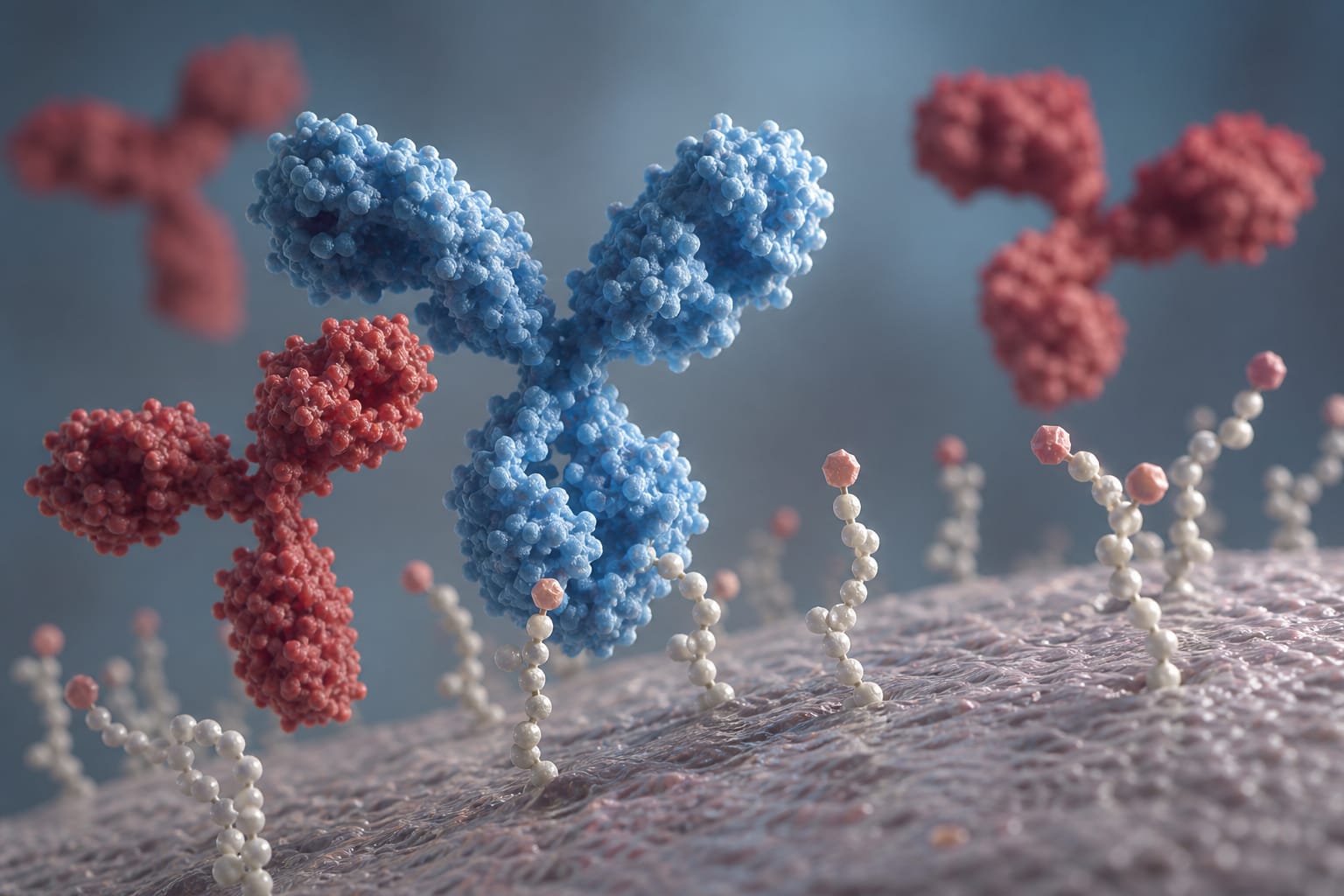
-
1
NIH researchers discovered uncommon antibodies that may aid in developing treatments for alpha-gal syndrome (AGS), a tick-bite-associated allergic condition.
-
2
AGS triggers allergic reactions to alpha-gal, a molecule found in red meat and mammal-derived products, with around 110,000 suspected U.S. cases since 2010.
-
3
The identified antibodies functioned as a barrier, preventing human allergic antibodies from attaching to red meat allergens during laboratory testing.
-
4
Thirteen antibodies were found to bind allergens associated with AGS, with two preventing IgE from attaching to these allergens.
-
5
The findings may lead to future studies aimed at identifying additional monoclonal antibodies effective against a broader range of alpha-gal allergens.
Based on findings from:
NIH researchers identify rare antibodies with potential to combat alpha-gal syndrome
National Institutes Of Health, 2026.
https://www.nih.gov/news-events/news-releases/nih-researchers-identify-rare-antibodies-potential-combat-alpha-gal-syndrome
This content is an AI-generated, fully rewritten summary based on a published scholarly article. It does not reproduce the original text and is not a substitute for the original publication. Readers are encouraged to consult the source for full context, data, and methodology.