-
1
Pancreatic cancer has a low 5-year survival rate below 10%, highlighting the urgent need for new treatment strategies.
-
2
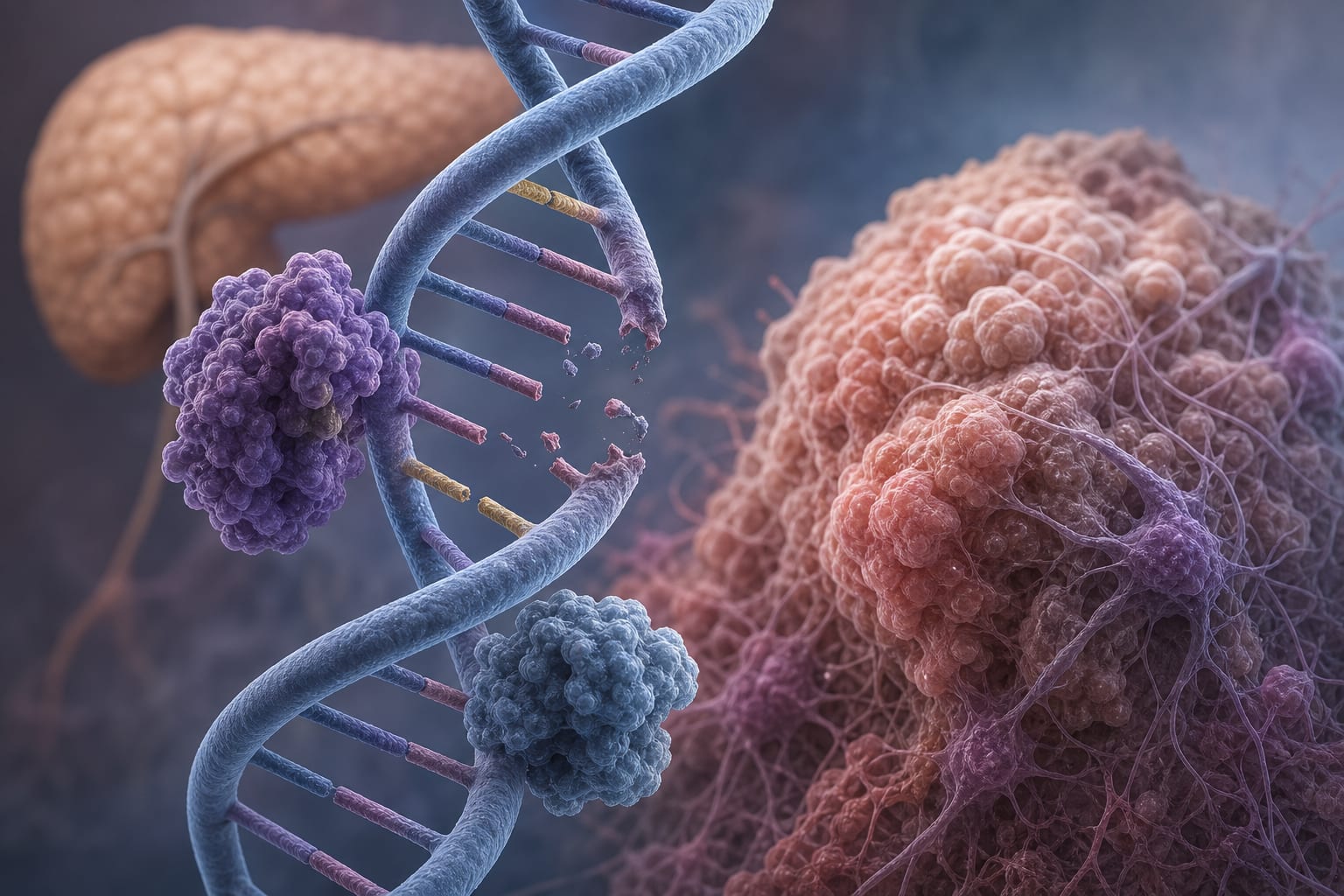
DNA damage response (DDR) inhibitors target vulnerabilities in pancreatic cancer, particularly in patients with HRR deficiencies.
-
3
Single-agent DDR inhibitors face limitations, including resistance and narrow patient eligibility, necessitating combination strategies.
-
4
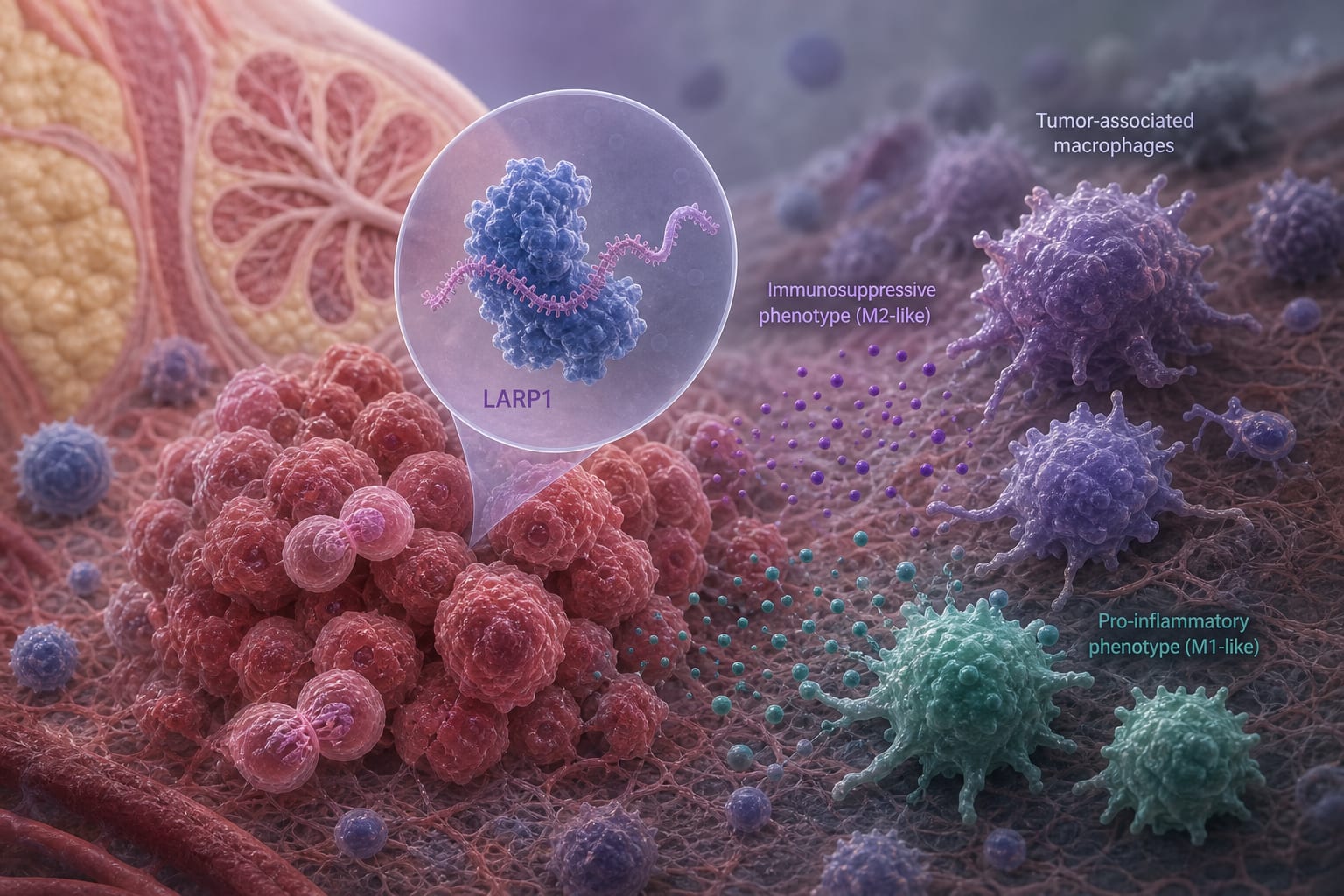
Emerging combination approaches aim to extend benefits beyond BRCA-mutant patients and improve the tumor immune microenvironment.
-
5
Challenges in DDR-targeted therapy include accessibility, resistance mechanisms, and toxicities, with future directions focusing on personalized medicine.