-
1
Hepatocellular carcinoma (HCC) has high incidence and mortality rates, particularly in China, which accounts for over 50% of global cases.
-
2
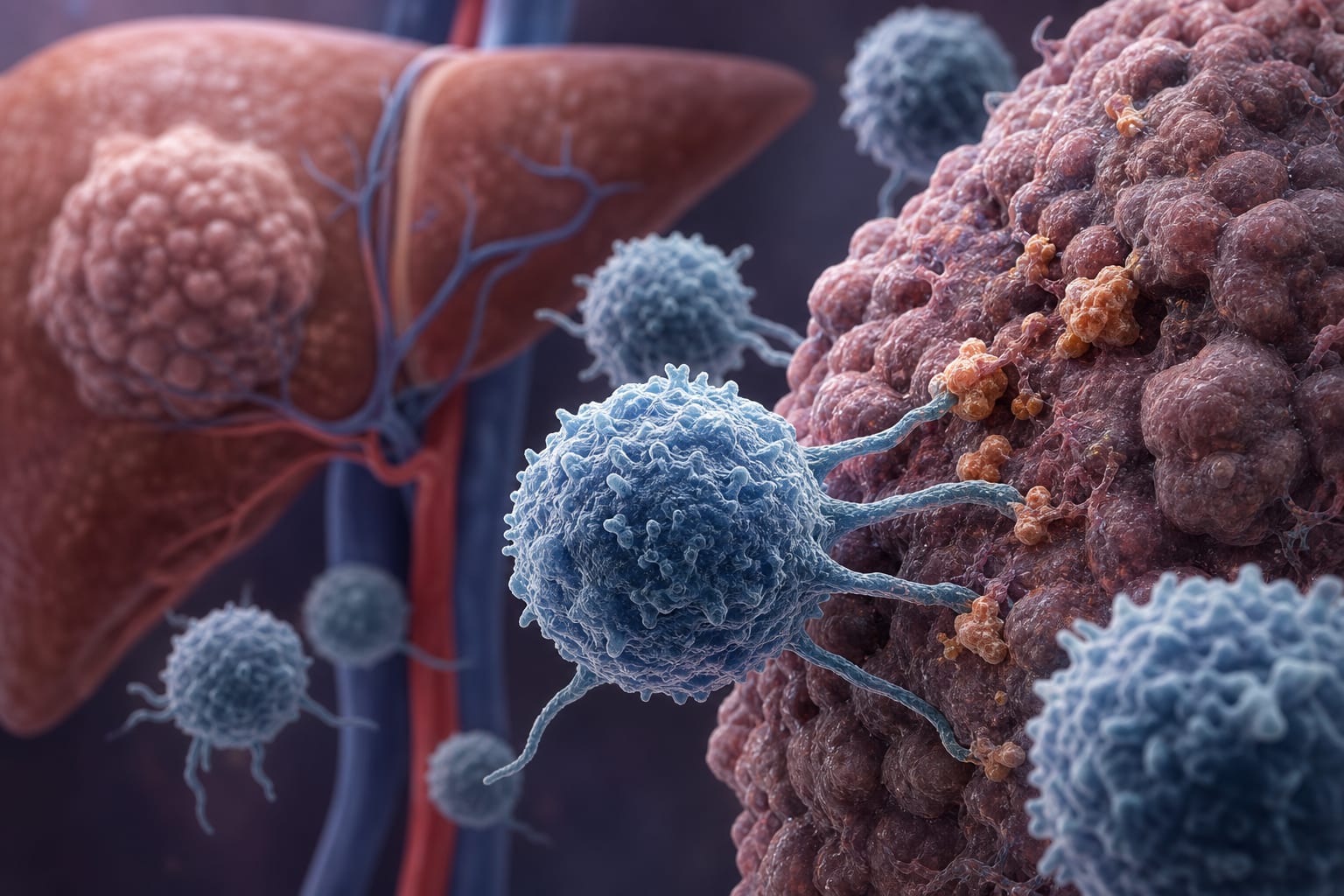
Tumor antigen-specific T cells (TASCs) play a critical role in HCC management, serving as core effector units for tumor cell targeting.
-
3
The HCC immune microenvironment systematically suppresses TASCs through impaired activation, defective tumor homing, and functional exhaustion.
-
4
Current immunotherapies for HCC, such as atezolizumab plus bevacizumab, show limited efficacy, benefiting only 20-30% of patients.
-
5
A comprehensive understanding of TASCs regulation and the immune microenvironment is essential for developing effective HCC immunotherapies.