Hip resurfacing arthroplasty at a minimum of 14 years: revision is concentrated among female patients with dysplasia and small components - Takeaways - MDSpire
Coming Soon: Introducing MDSpire News. Learn more
Conexiant’s news site is now MDSpire News. Learn more

Long-term Outcomes of Hip Resurfacing Arthroplasty: Higher Revision Rates in Female Patients with Dysplasia and Smaller Components After 14 Years

  • By

  • Yu-Chih Lin

  • Chih-Hsiang Chang

  • Pang-Hsin Hsieh

  • Yu-Yi Huang

  • Dave W. Chen

  • Ngi-Chiong Lau

  • August 22, 2026

Share

  • 1

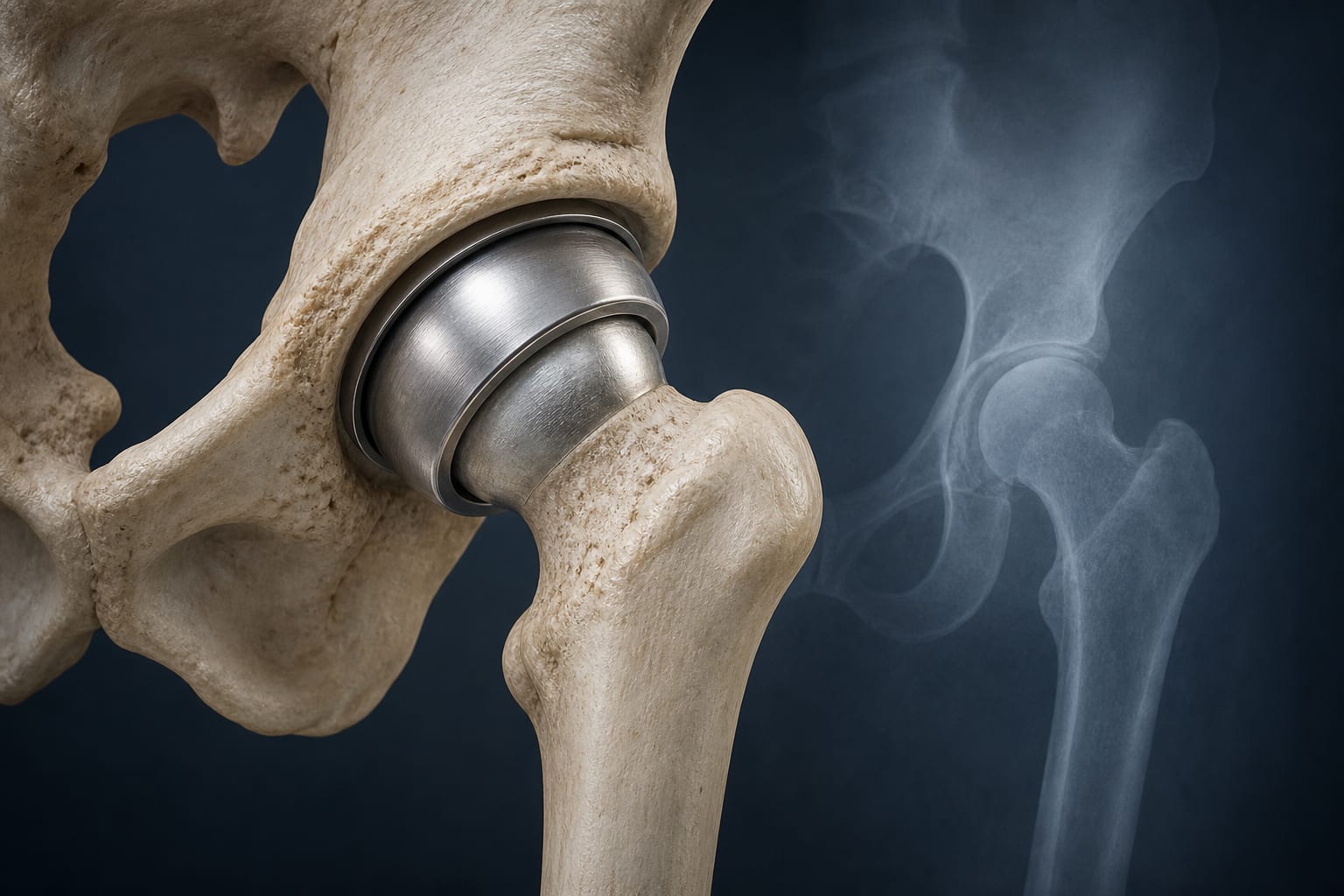
    Hip resurfacing arthroplasty (HRA) is a bone-conserving alternative to total hip arthroplasty (THA) for young, active individuals with advanced hip disease.

  • 2

    Survivorship rates after Birmingham Hip Resurfacing are 96.5% for men and 87.0% for women at 20 years, decreasing to 89.5% and 66.9% by 25 years.

  • 3

    Female sex, smaller component size, and developmental dysplasia of the hip (DDH) are identified as risk factors for HRA failure.

  • 4

    The study categorized hips by etiology as Primary OA, DDH, or Non-OA, with avascular necrosis (AVN) evaluated separately.

  • 5

    Long-term outcomes of HRA require comprehensive evaluation, including serum metal-ion measurements and MARS-MRI.

Original Source(s)

Related Content