-
1
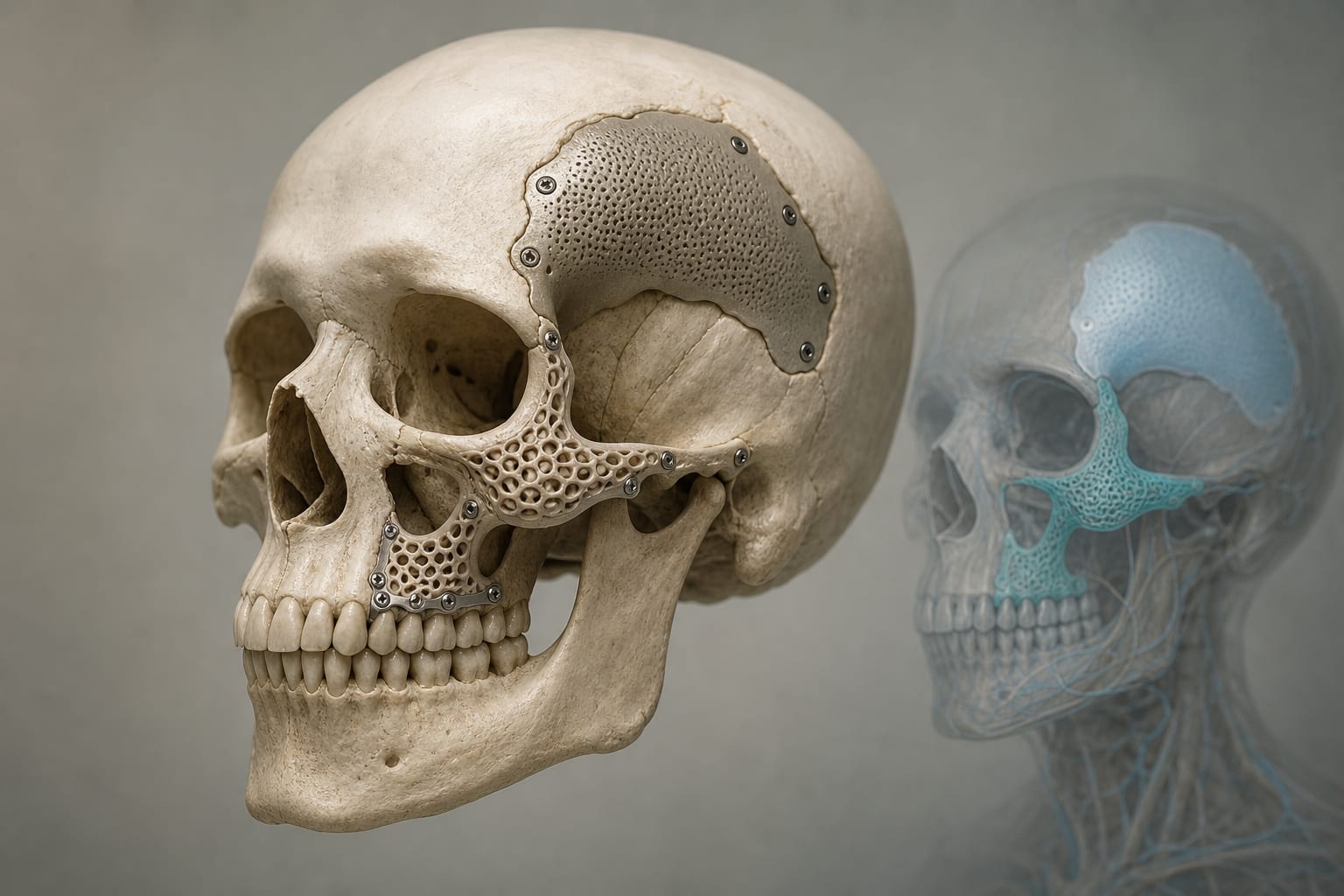
Craniomaxillofacial surgery integrates anatomy, imaging, biomaterials, and microsurgery to address complex craniofacial defects.
-
2
Successful treatment now emphasizes function, aesthetics, stability, and morbidity reduction, beyond mere defect closure.
-
3
Anatomical precision is crucial for surgical planning, as highlighted by studies on the temporalis muscle and facial aesthetics.
-
4
Multidisciplinary approaches are essential for managing complex cases like frontal sinus fractures and oncologic reconstructions.
-
5
Advancements in biomaterials are shaping personalized craniofacial surgery, focusing on safety, efficacy, and patient outcomes.