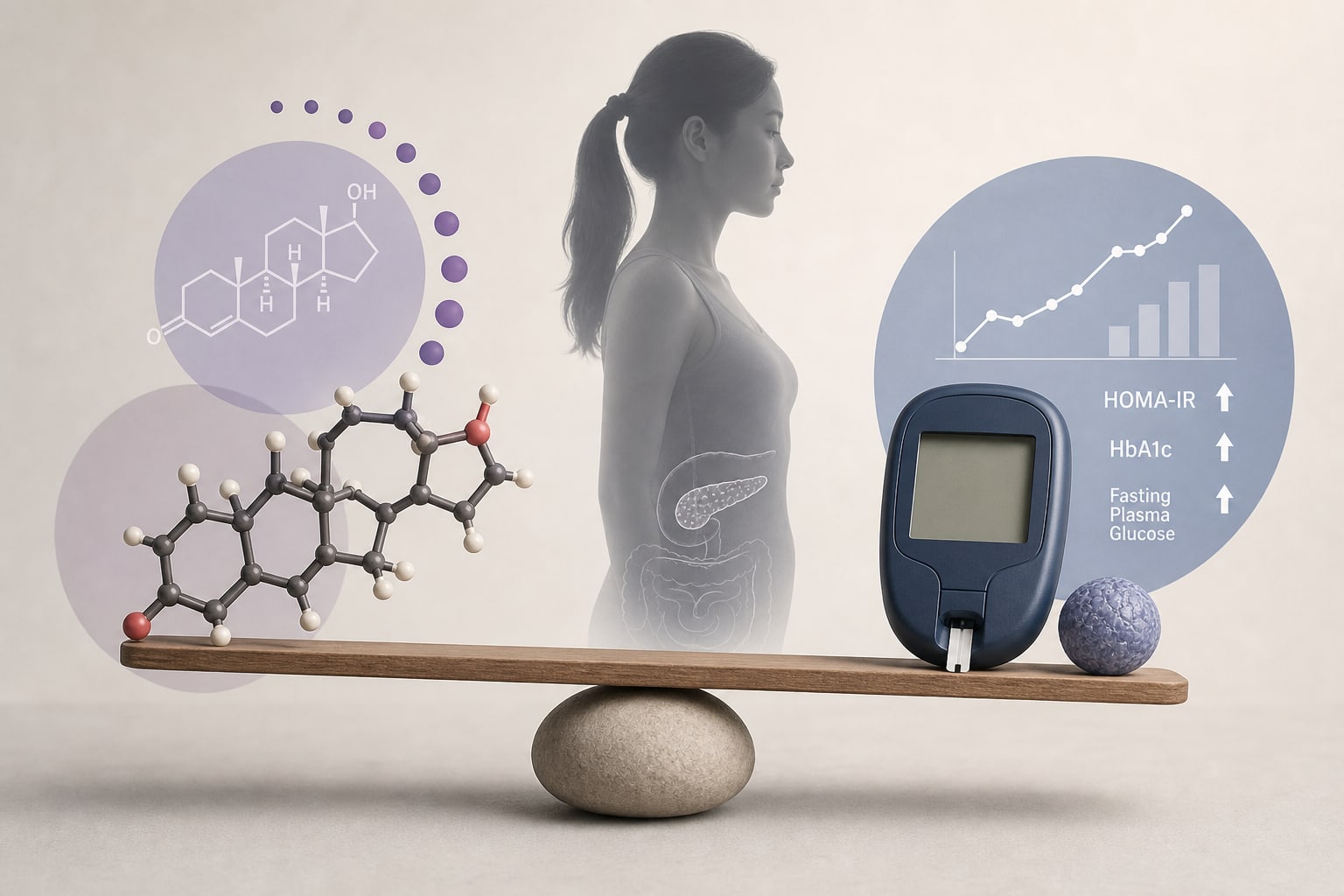
Polycystic ovarian syndrome (PCOS) affects 5-18% of adult women and is characterized by irregular menstrual cycles and hyperandrogenism.
2
Diagnosis of PCOS in adolescents is challenging due to overlapping symptoms with normal puberty and requires both menstrual irregularity and hyperandrogenism.
3
Emerging studies suggest that updated consensus guidelines help identify adolescents at highest risk for long-term complications related to PCOS.
4
Obesity significantly contributes to the pathophysiology of PCOS, with ongoing research into the role of adipokines and metabolic factors.
5
There is a need for longitudinal studies to better understand the natural history of adolescent PCOS and develop effective management strategies.