Utilizing Machine Learning to Determine Risk Factors for Hospital-Acquired Infections in Cancer Patients Experiencing Pneumonia Related to Immune Checkpoint Inhibitors - Takeaways - MDSpire

Utilizing Machine Learning to Determine Risk Factors for Hospital-Acquired Infections in Cancer Patients Experiencing Pneumonia Related to Immune Checkpoint Inhibitors

  • By

  • Jianzhong Xie

  • Zhuo Zhao

  • Cuiyun Zhou

  • Junxiang Wang

  • Xiufang Lin

  • Lingyu Lai

  • Jinchan Yao

  • Haiyan Lin

  • Zuquan Weng

  • January 29, 2026

  • 0 min

Share

  • 1

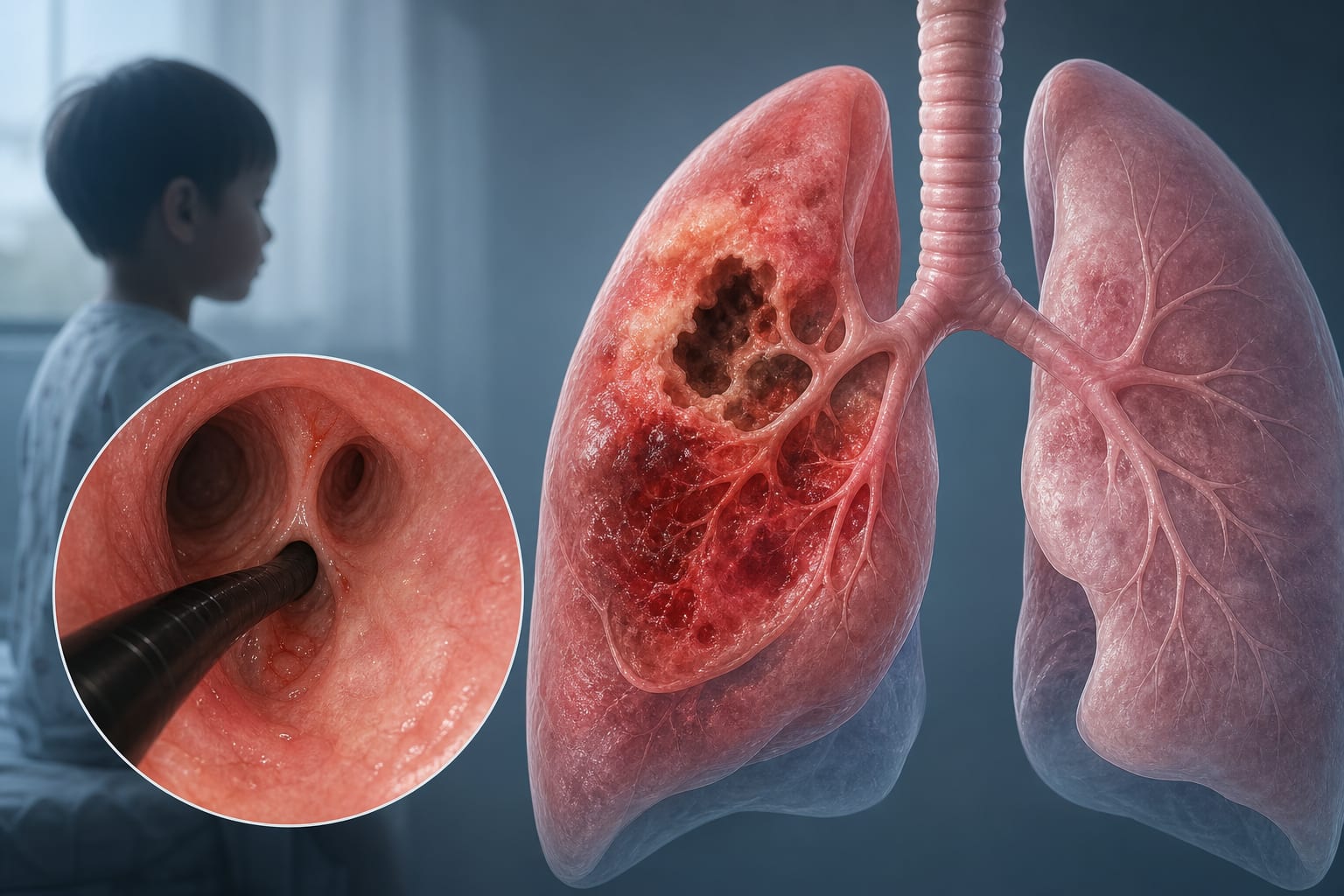
    PD-1/PD-L1 inhibitors can cause immune-related pneumonia, with an incidence of 0% to 10%, necessitating careful monitoring for hospital-acquired infections.

  • 2

    Machine learning can analyze extensive patient data to create early warning models for nosocomial infections in cancer patients receiving immunotherapy.

  • 3

    In a study of 120 patients, the overall incidence rate of nosocomial infection was found to be 45.83%, with pulmonary infections being the most common.

  • 4

    Significant risk factors for nosocomial infections included diagnosis time and elevated CRP levels, highlighting the need for targeted infection management.

  • 5

    The support vector machine model outperformed others in predicting infections, identifying key risk factors such as age and abnormal lung function.

Original Source(s)

Related Content