Analysis of the correlation between the degree of sleepiness and the therapeutic effect in patients with insomnia disorder treated with digital cognitive behavioral therapy - Takeaways - MDSpire

Analysis of the correlation between the degree of sleepiness and the therapeutic effect in patients with insomnia disorder treated with digital cognitive behavioral therapy

  • By

  • Yangfei Che

  • Mingfen Song

  • Lili Yang

  • Junhang Zhang

  • Hongjing Mao

  • June 22, 2026

  • 0 min

Share

  • 1

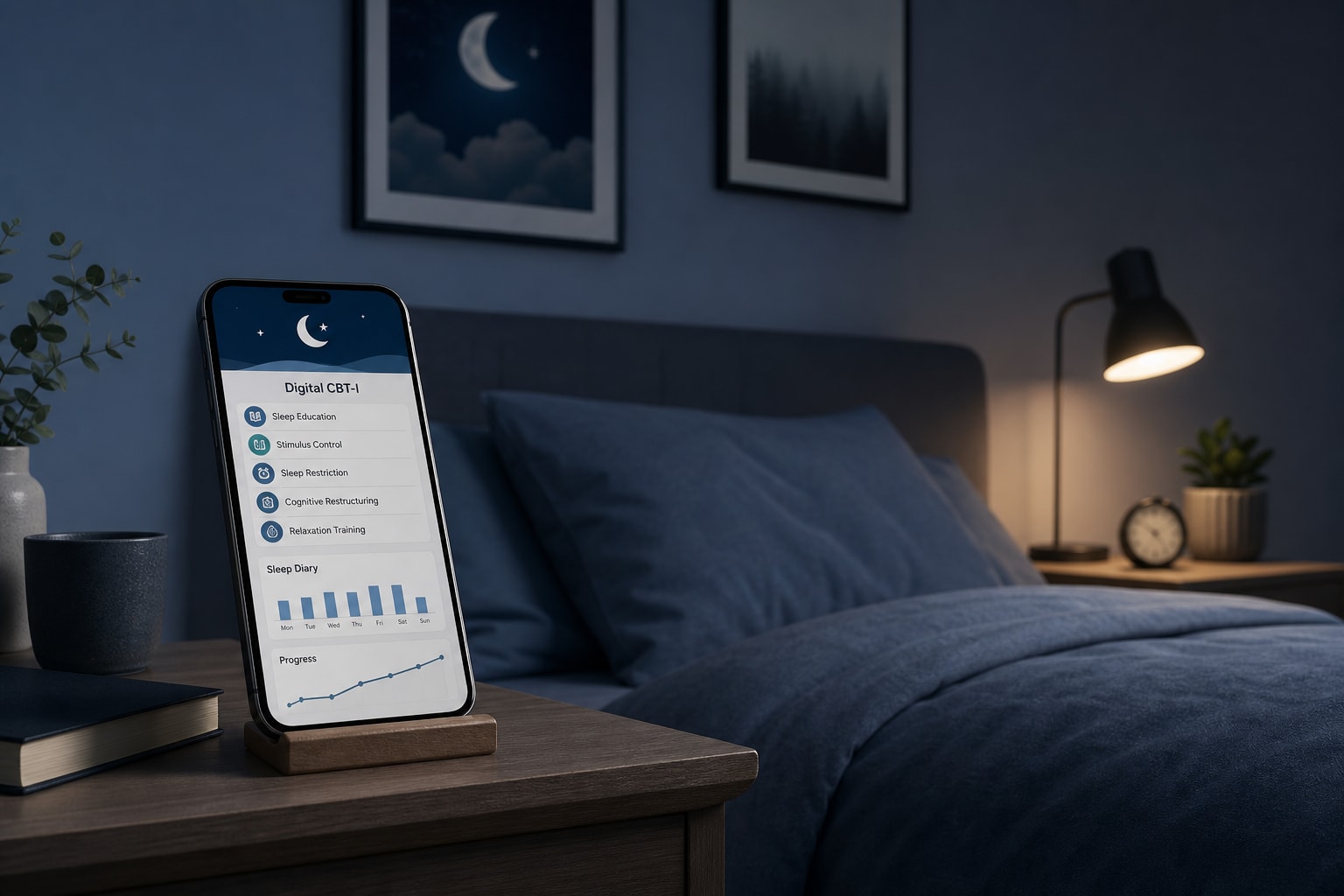
    The study analyzed 2271 insomnia patients undergoing digital cognitive behavioral therapy (dCBT-I) from November 2016 to January 2024.

  • 2

    Daytime sleepiness was assessed using the Epworth Sleepiness Scale, showing significant increases at weeks 2, 4, and 6.

  • 3

    Factors influencing daytime sleepiness included sex, medication use, snoring, and baseline sleepiness levels.

  • 4

    Increased daytime sleepiness at week 2 predicted greater reductions in Pittsburgh Sleep Quality Index scores at later follow-ups.

  • 5

    The findings suggest that early increased sleepiness during dCBT-I may serve as a predictor of treatment efficacy.

Original Source(s)

Related Content