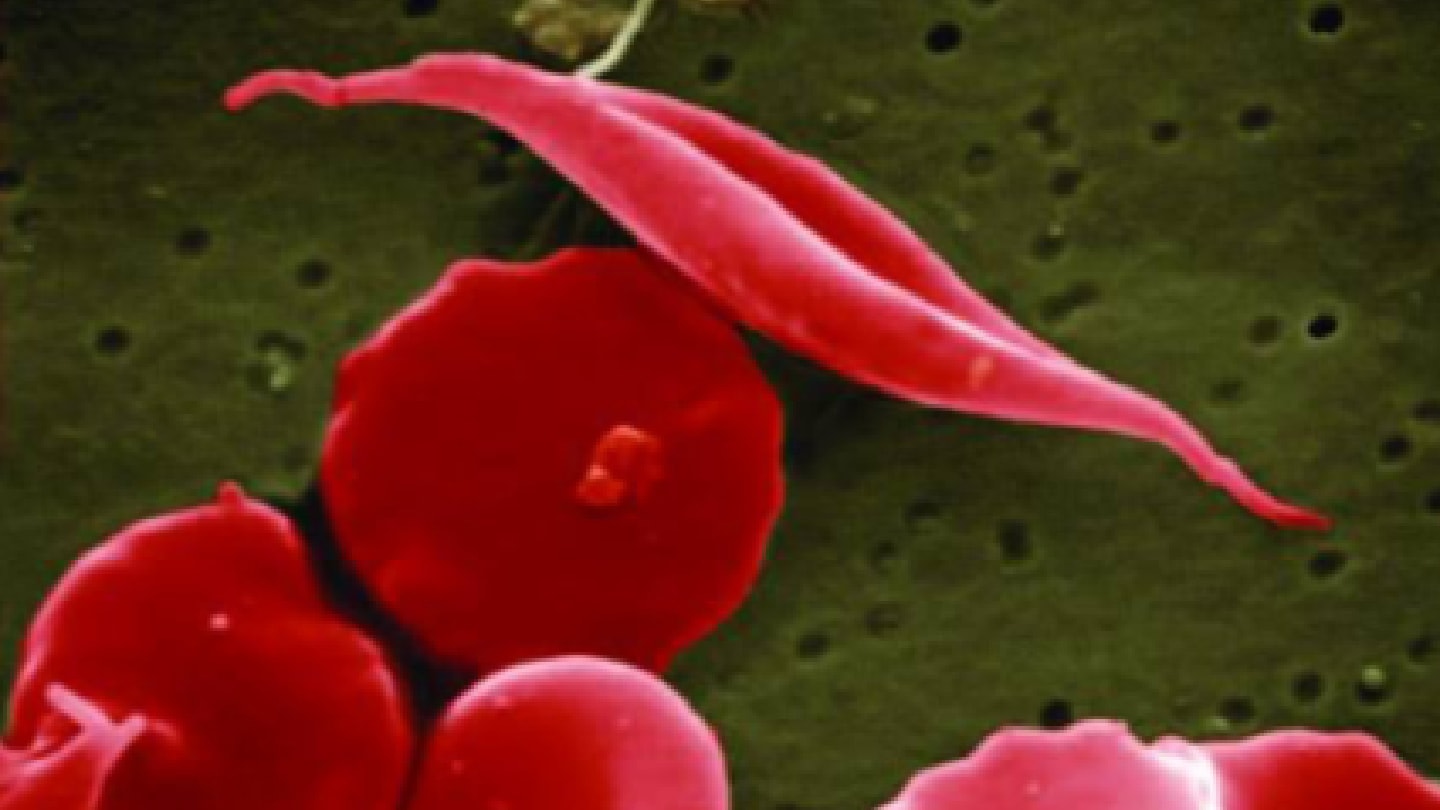
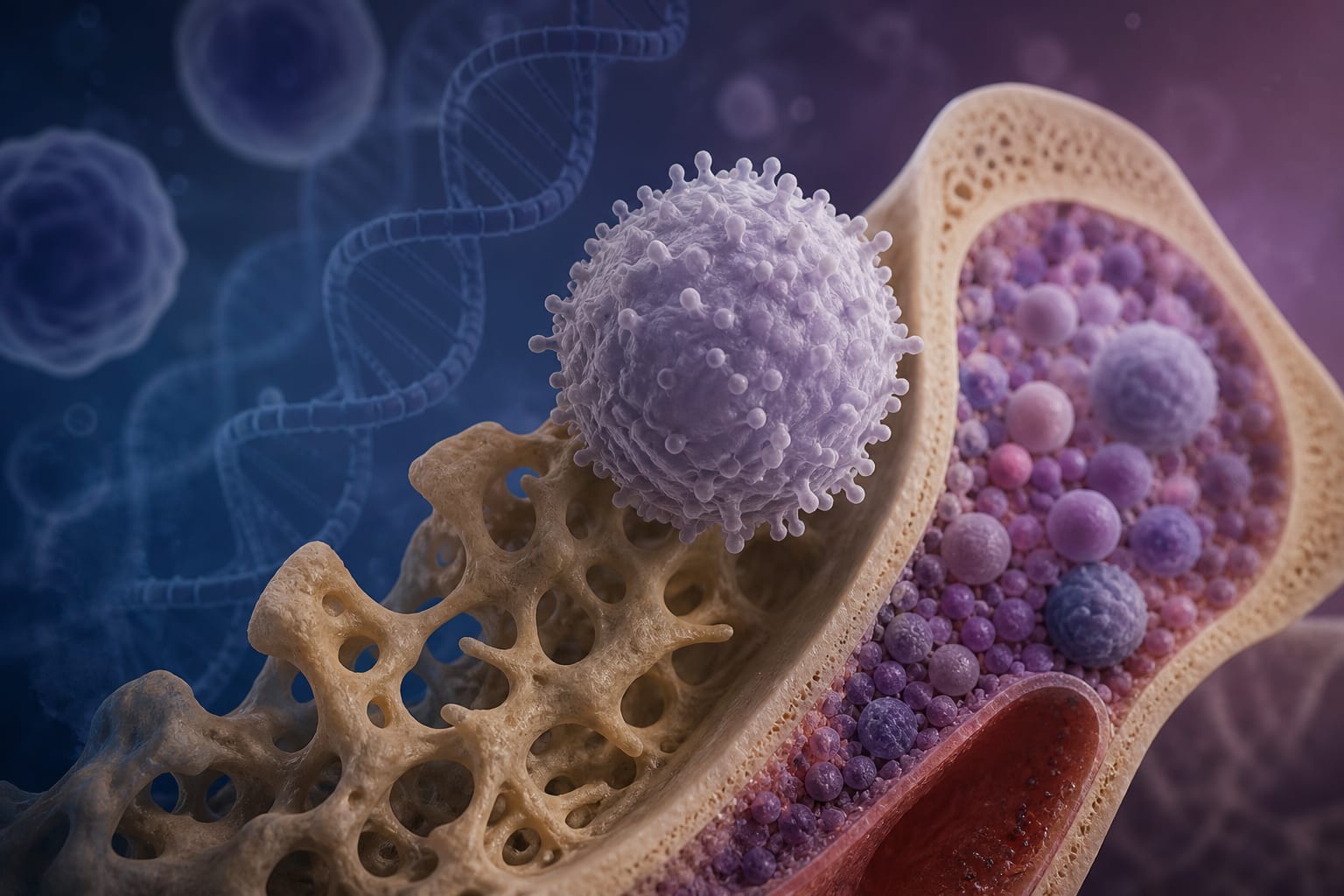
CRISPR_SCD001 uses CRISPR-Cas9 and a single-stranded DNA template to correct the sickle mutation in patients’ autologous CD34-positive cells.
2
The clinical-scale process includes cell collection, two days of culture, electroporation, washing, cryopreservation, and product testing before release.
3
Across seven development runs, large-scale lots averaged 89% CD34-positive cell purity, 84% viability, 22% HBB allele correction, and 51% insertions or deletions.
4
In vitro, edited cells differentiated into red blood cells with sickle hemoglobin reduced from 89% to 22%, while adult and fetal hemoglobin reached 39% and 40%.
5
The process has manufactured products for two participants in an ongoing Phase I/II trial assessing safety, engraftment, and persistence of corrected cells.