-
1
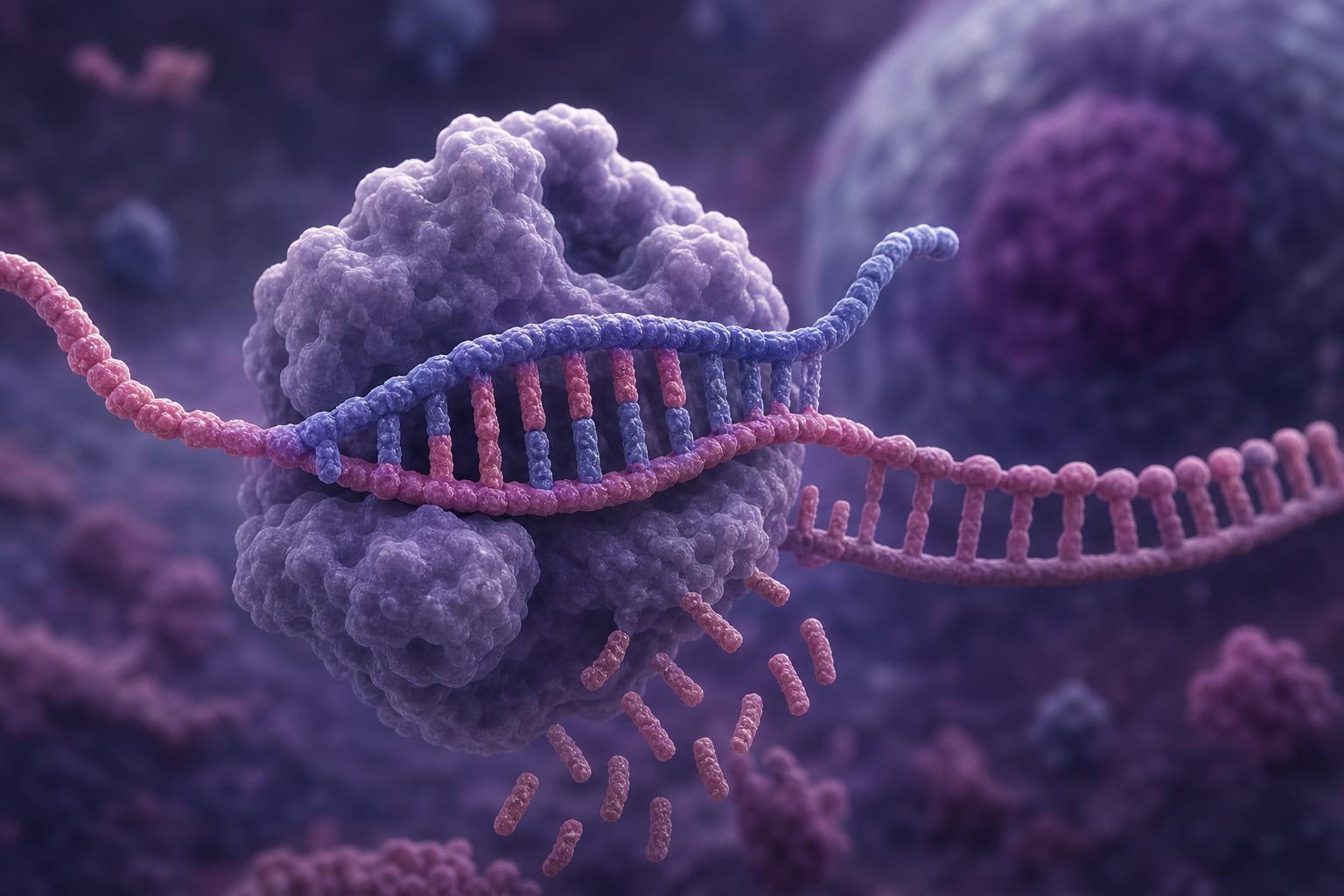
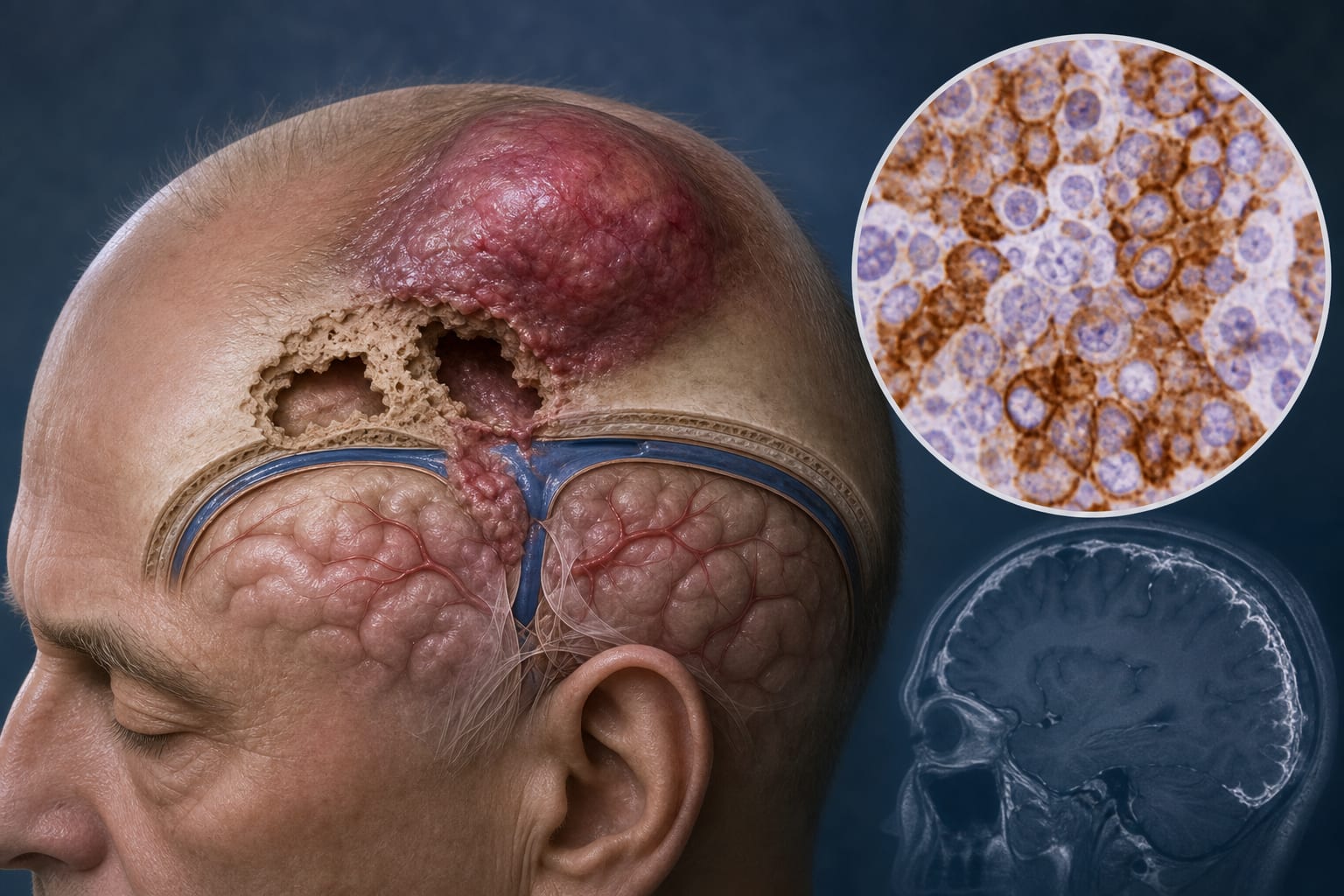
IL-17A promotes neutrophil extracellular trap (NET) formation, which is linked to epithelial-mesenchymal transition (EMT) and brain metastasis in lung adenocarcinoma.
-
2
NETs enhance tumor metastasis to the brain, with significant suppression observed when using PAD inhibitors or DNase I.
-
3
Acetylated H2BC4, p300, c-Jun, and c-Fos are enriched at the promoter regions of EMT-related genes, indicating their role in metastasis.
-
4
The study identifies H2BC4 as a key gene associated with NETs in lung adenocarcinoma, suggesting its potential regulatory role.
-
5
Findings highlight the IL-17A/NETs/H2BC4 pathway as a potential therapeutic target for managing brain metastasis in lung adenocarcinoma.