T Cell Plasticity in Systemic Lupus Erythematosus Revealed by Large-Scale T Cell Receptor Repertoire and Transcriptome Studies - Takeaways - MDSpire

Exploring T Cell Adaptability in Systemic Lupus Erythematosus Through Comprehensive T Cell Receptor Repertoire and Transcriptomic Analyses

  • By

  • Yasuo Nagafuchi

  • Masahiro Nakano

  • Kaitlyn A. Lagattuta

  • Mineto Ota

  • Hiroaki Hatano

  • Haruka Takahashi

  • Takahiro Itamiya

  • Hajime Inokuchi

  • Soumya Raychaudhuri

  • Tomohisa Okamura

  • Keishi Fujio

  • Kazuyoshi Ishigaki

  • June 2, 2026

Share

  • 1

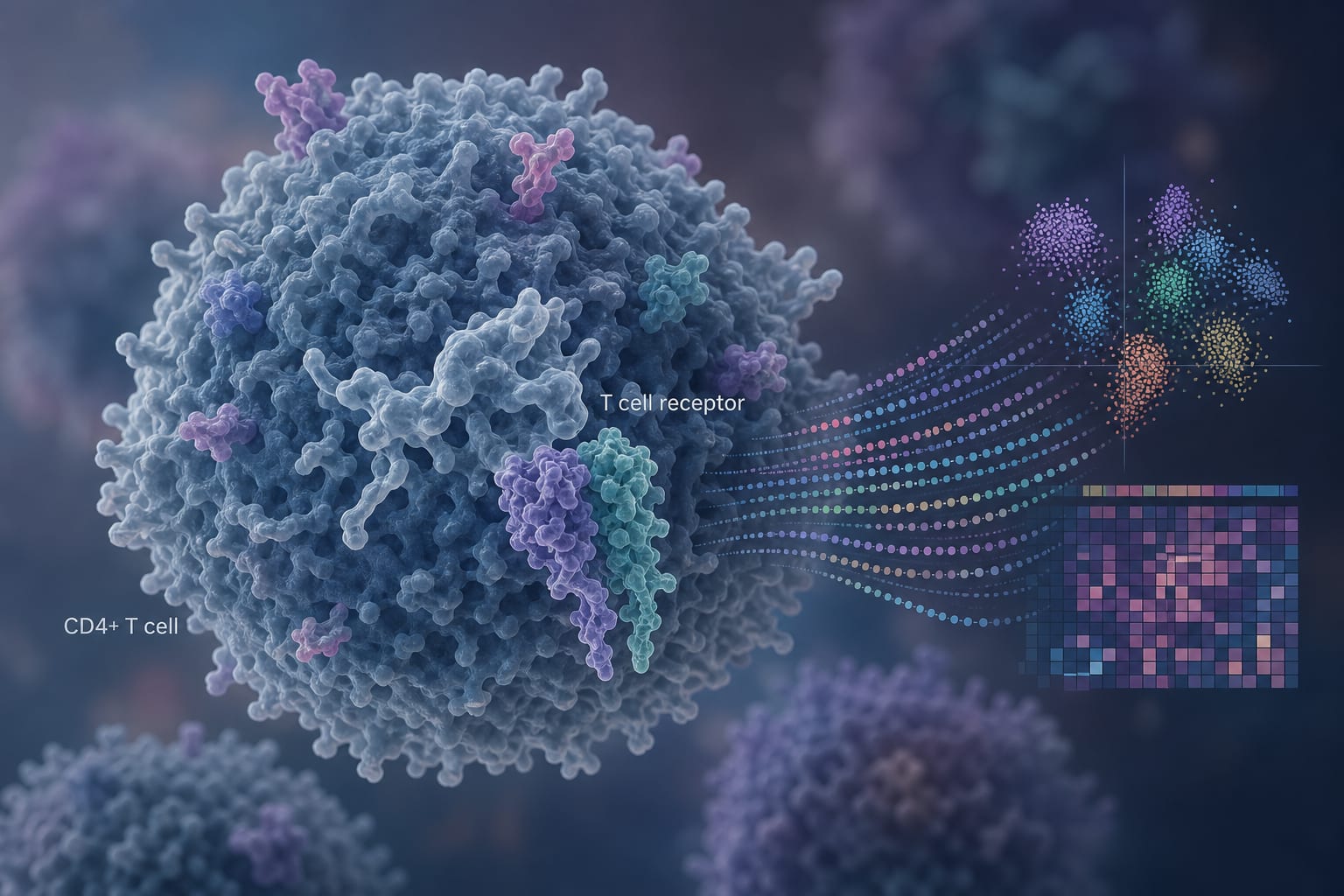
    Systemic lupus erythematosus (SLE) is characterized by CD4+ T cell involvement, influencing autoantibody production and inflammatory responses.

  • 2

    T cell receptor (TCR) sequences can track T cell identities and their plasticity, providing insights into T cell behavior in SLE.

  • 3

    The study analyzed TCR and transcriptome profiles from 117 SLE patients, 317 patients with other immune-mediated diseases, and 134 healthy controls.

  • 4

    Distinct CD4+ T cell types were sorted and analyzed, including Th1, Th2, Th17, and follicular helper T cells, to understand their roles in SLE.

  • 5

    The research utilized bulk RNA sequencing data to explore T cell plasticity and its relationship with disease activity in SLE patients.

Original Source(s)

Related Content