-
1
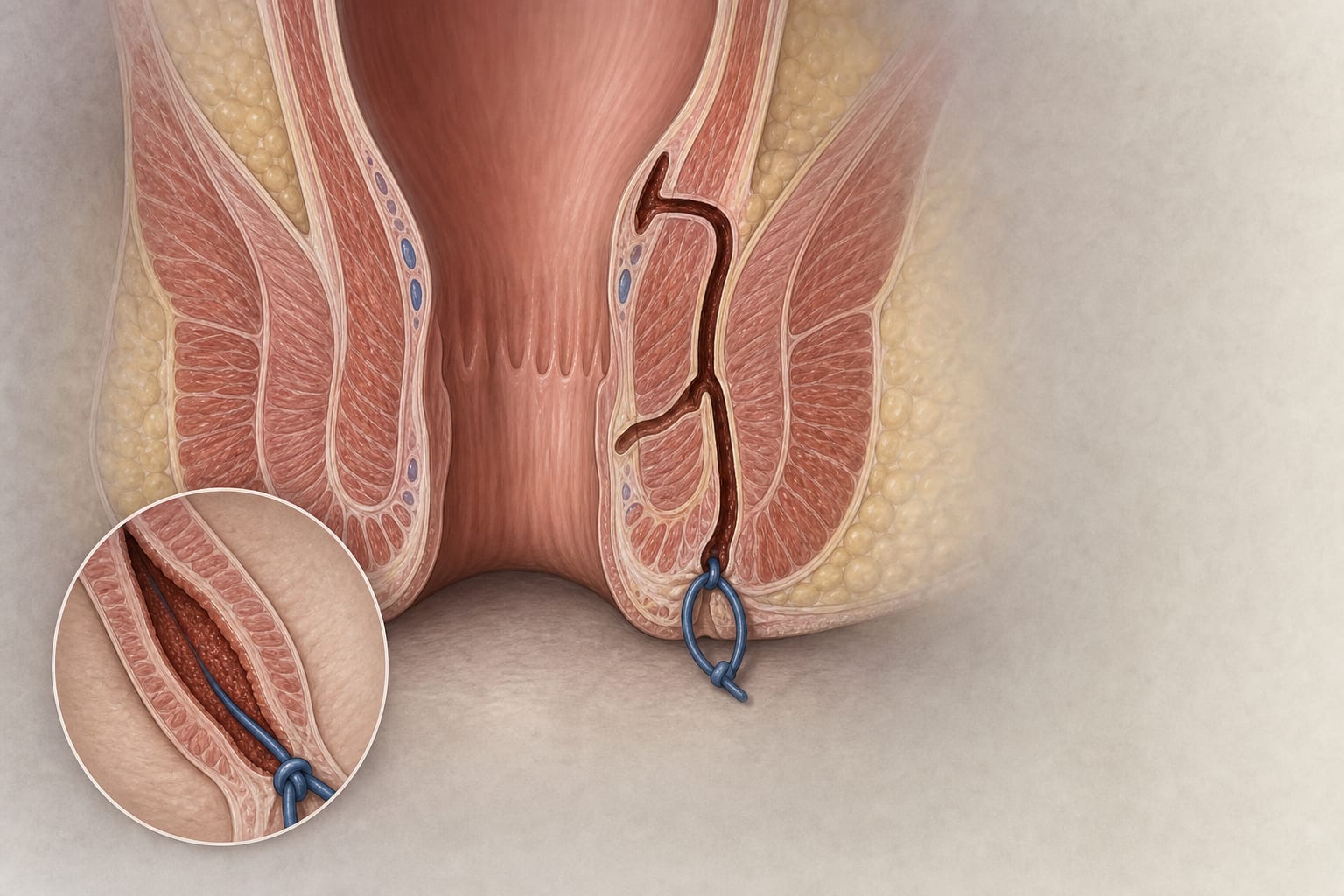
The study analyzed 218 patients undergoing modified TROPIS with Parks’ fistulotomy and seton for high anal fistula from May 2022 to May 2024.
-
2
Postoperative adverse outcomes occurred in 22.5% of patients, including recurrence (8.3%), incontinence (6.9%), delayed healing (10.1%), and major complications (3.7%).
-
3
Five independent risk factors for adverse outcomes were identified: diabetes mellitus, horseshoe extension, internal sphincter incision >50%, operative time >60 min, and BMI ≥ 28 kg/m2.
-
4
The risk stratification model indicated that 31.2% of patients were high-risk, with an adverse outcome rate of 41.2% compared to 14.0% in low-risk patients.
-
5
The findings highlight the need for external validation in larger cohorts before clinical implementation of the modified TROPIS approach.