-
1
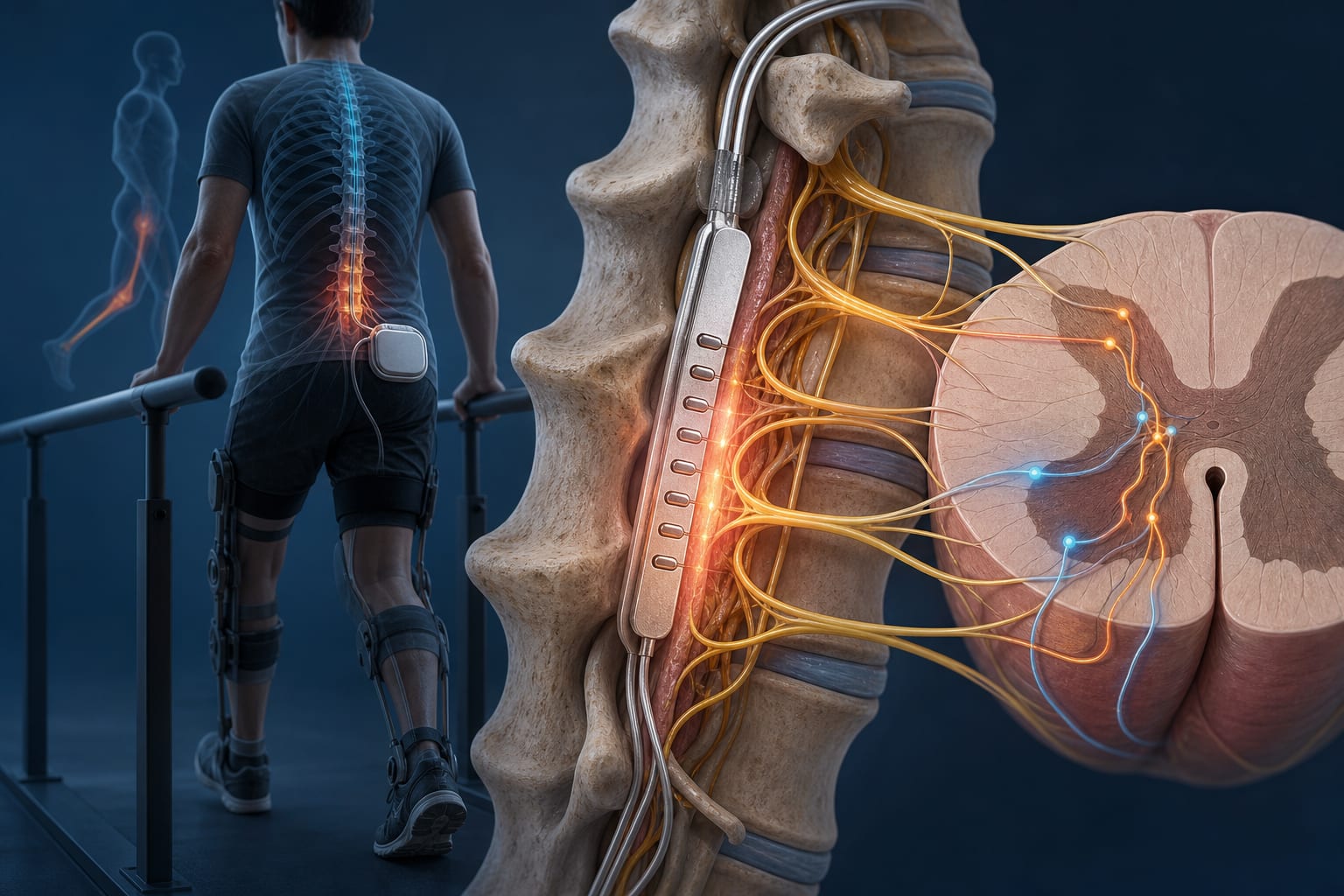
Epidural electrical stimulation (EES) enhances spinal motor network excitability and aids in lower extremity motor function recovery after spinal cord injury (SCI).
-
2
EES, when combined with task-specific training, has shown improvements in standing, stepping, walking, and spasticity control in SCI patients.
-
3
The therapeutic benefits of EES are influenced by factors such as injury level, spared pathways, stimulation parameters, and rehabilitation intensity.
-
4
Current evidence on EES is limited by small sample sizes and heterogeneity, necessitating further multicenter randomized controlled trials.
-
5
EES aims to restore function by placing spinal sensorimotor networks into an excitable state, enhancing the effectiveness of residual descending input.