Exploring sensory aspects of cutlery in neurodivergent-informed eating disorder care - Takeaways - MDSpire

Exploring sensory aspects of cutlery in neurodivergent-informed eating disorder care

  • By

  • Dimitri Chubinidze

  • Adia Meyer

  • Lauren Makin

  • Kendal Sterling

  • Kate Tchanturia

  • June 11, 2026

  • 0 min

Share

  • 1

    Sensory sensitivities in eating disorders are often overlooked, particularly the role of cutlery in the mealtime experience.

  • 2

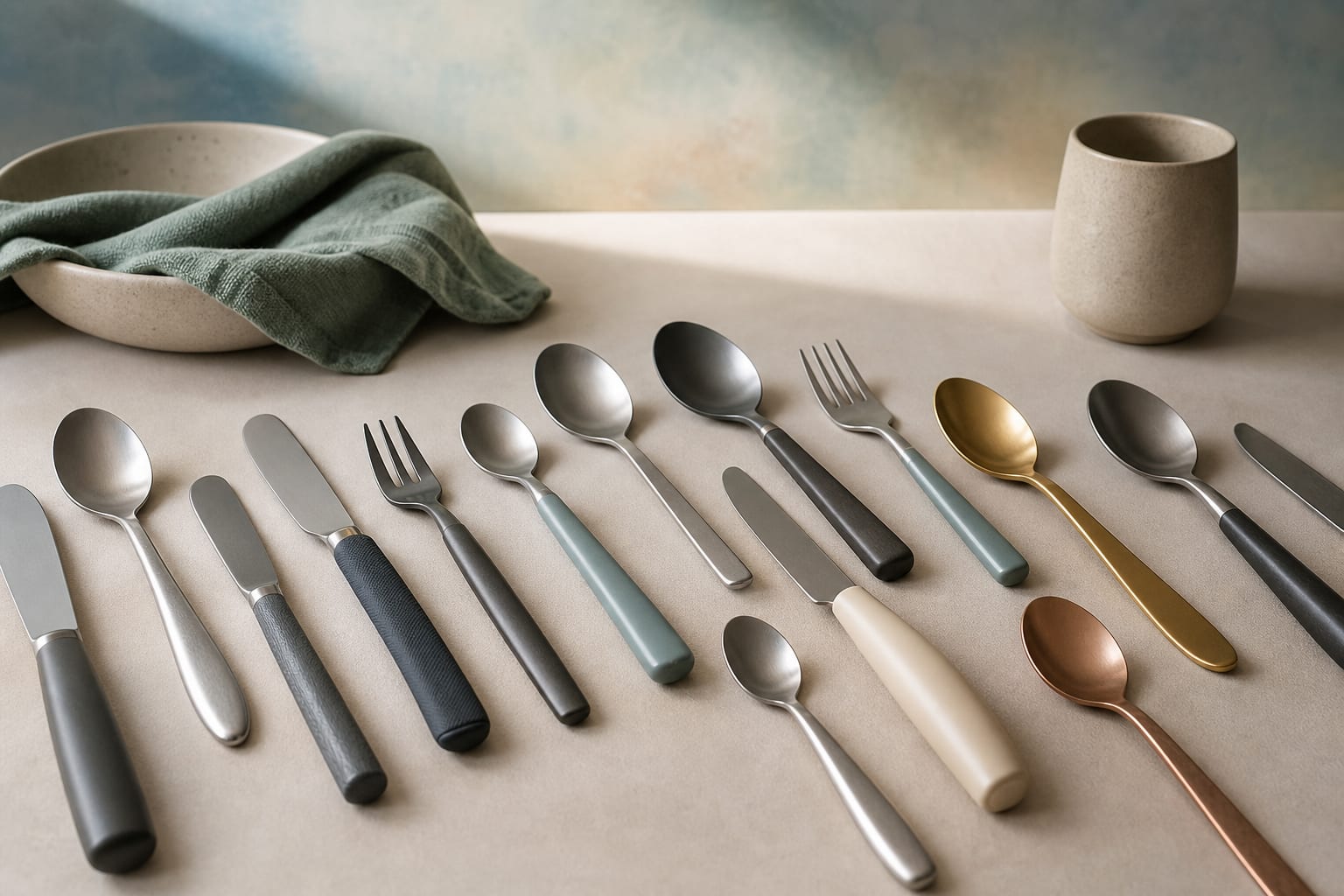
    Participants preferred metal cutlery, while wooden, plastic, and hybrid designs were largely rejected due to sensory constraints.

  • 3

    Cutlery serves as an active sensory interface, influencing comfort and readiness to eat through factors like weight and texture.

  • 4

    Standardized cutlery in ED treatment can increase distress; personalized options may enhance comfort and autonomy.

  • 5

    The study highlights the need for sensory-informed adaptations in ED care, emphasizing individual preferences in cutlery design.

Original Source(s)

Related Content