-
1
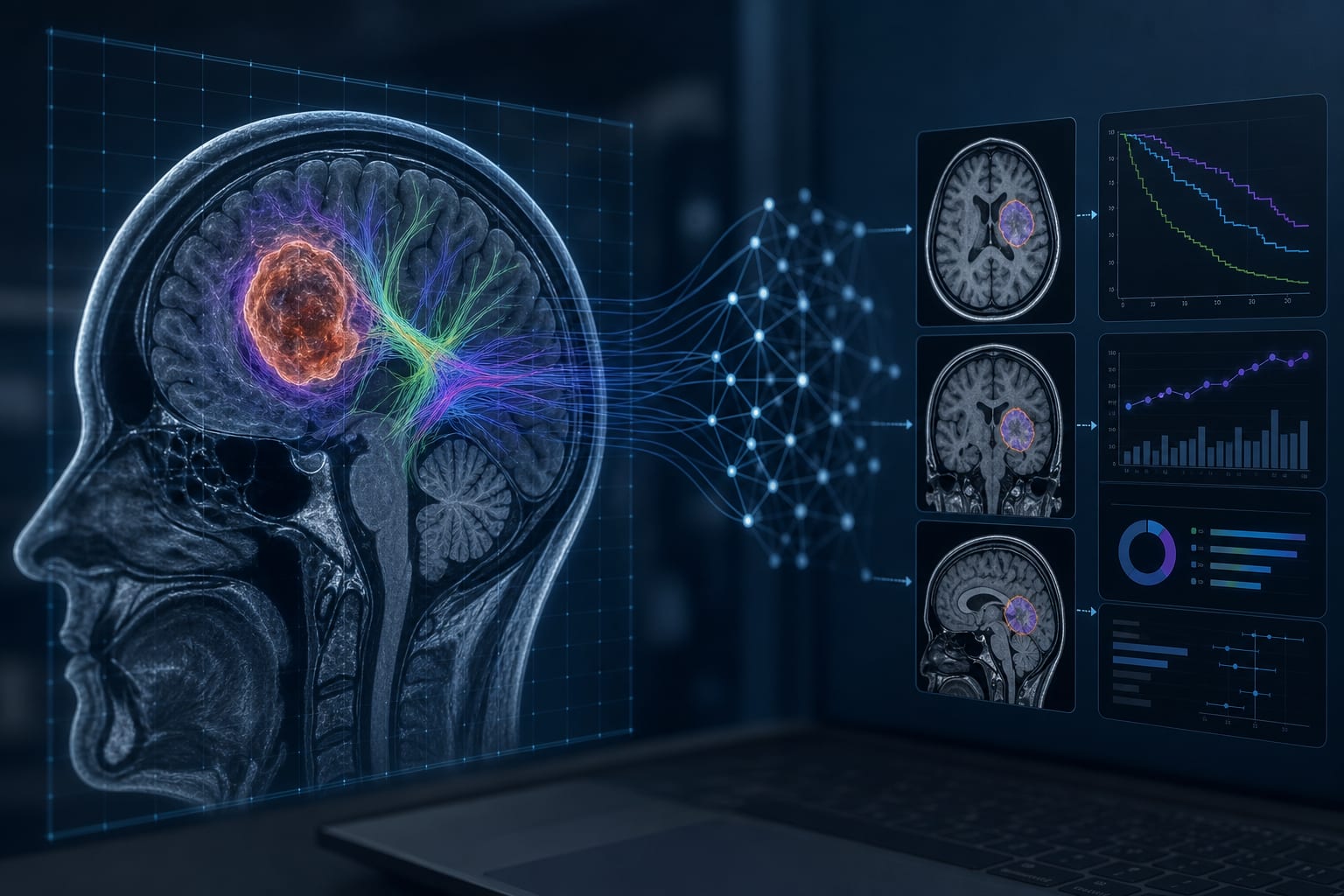
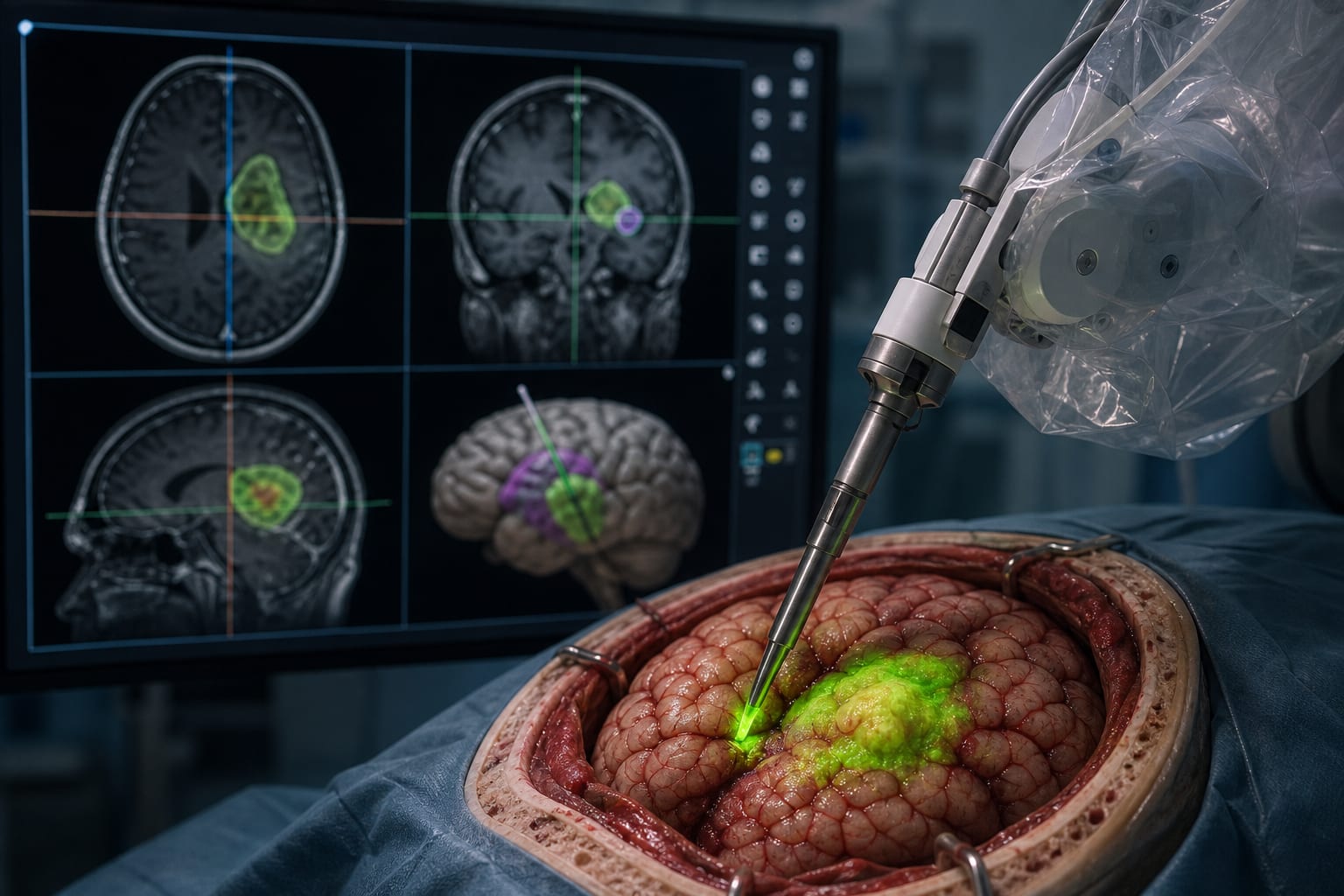
AI integration in neurosurgery enhances patient care through improved diagnostic imaging, preoperative planning, and postoperative management.
-
2
Traditional severity scoring systems are evolving into AI-driven predictive analytics, addressing the complexities of modern clinical data.
-
3
AI methods, including machine learning and deep learning, facilitate the analysis of high-dimensional clinical data for better prognostic insights.
-
4
Challenges in AI implementation include model interpretability, data privacy, and algorithmic bias, which need to be addressed for effective use.
-
5
AI serves as a cognitive collaborator in neurosurgery, augmenting precision and efficiency rather than replacing the neurosurgeon.