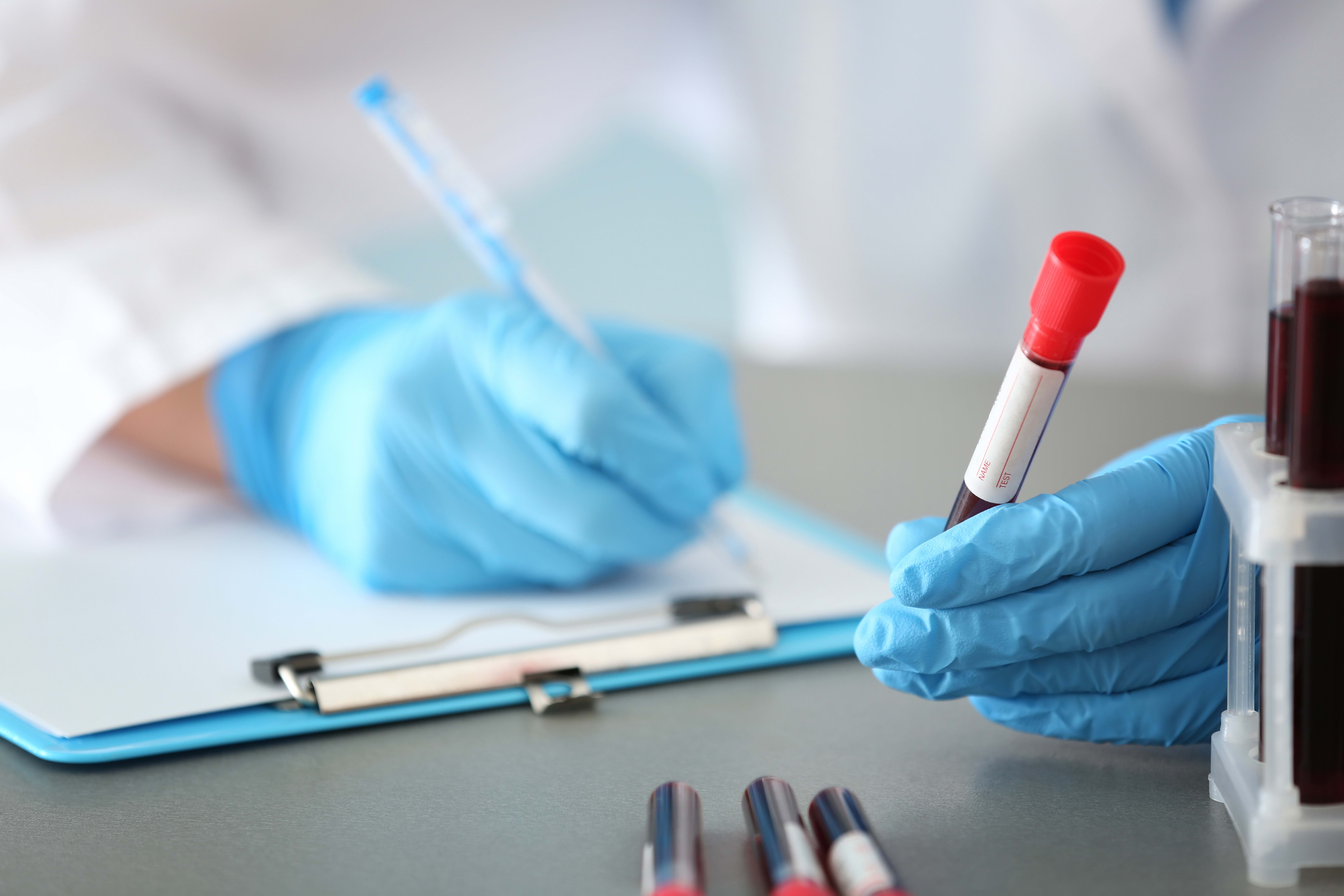
Rapid antimicrobial susceptibility testing did not improve 30-day clinical outcomes compared to standard testing in gram-negative bloodstream infections.
2
Patients receiving rapid testing experienced faster antibiotic modification, with median times of 22 hours versus 36 hours for standard testing.
3
The proportion of patients receiving effective therapy within 24 hours was higher in the rapid testing group at 84% compared to 75% in the standard group.
4
Subgroup analysis indicated rapid testing was particularly beneficial for patients with carbapenem-resistant infections, showing faster effective therapy.
5
The trial's limitations included its open-label design and variability in local antibiotic availability, which may affect generalizability.
Heart rate monitoring and atrial fibrillation detection had the strongest supporting evidence, but investigators found limited evidence for broader outpatient self-monitoring applications.