Investigation of bioimpedance as a method for wearable noninvasive bladder volume measurements in individuals with spinal cord injury or disease: protocol of a feasibility study - Takeaways - MDSpire

Investigation of bioimpedance as a method for wearable noninvasive bladder volume measurements in individuals with spinal cord injury or disease: protocol of a feasibility study

  • By

  • Judith Jantine Willemijn van Beek

  • Kanika Dheman

  • Sabrina Amrein

  • Michele Magno

  • Diego Paez-Granados

  • Jürgen Pannek

  • Jörg Krebs

  • June 11, 2026

  • 0 min

Share

  • 1

    Neurogenic lower urinary tract dysfunction is common in spinal cord injury patients, leading to complications like urinary incontinence and recurrent infections.

  • 2

    Intermittent catheterization is the first-line treatment for bladder emptying issues, but fixed schedules are often impractical for individuals with spinal cord injury.

  • 3

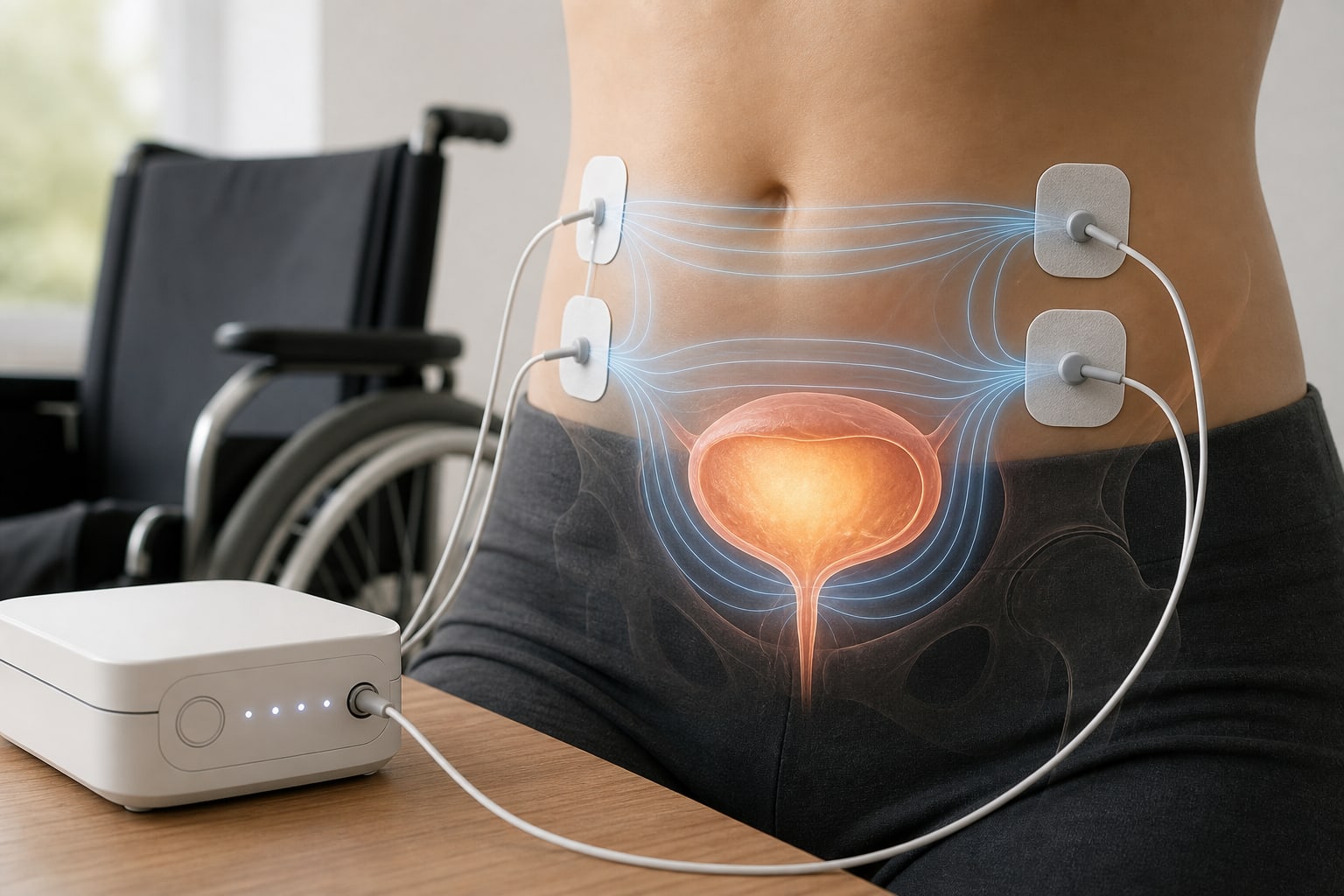
    Electrical bioimpedance technology offers a noninvasive method to continuously monitor bladder volume, potentially improving individualized bladder management.

  • 4

    This feasibility study evaluates a bioimpedance sensor across three phases, including comparisons with catheterization in individuals with spinal cord injury.

  • 5

    The study aims to assess the usability and effectiveness of a bioimpedance-based wearable device for bladder volume monitoring in real-life settings.

Original Source(s)

Related Content