Digital self-management programme for pain, fatigue and faecal incontinence in inflammatory bowel disease: cost-effectiveness analysis of the IBD-BOOST randomised controlled trial - Takeaways - MDSpire

Digital self-management programme for pain, fatigue and faecal incontinence in inflammatory bowel disease: cost-effectiveness analysis of the IBD-BOOST randomised controlled trial

  • By

  • Chris Roukas

  • Laura Miller

  • Fionn Cléirigh Büttner

  • Thomas Hamborg

  • Vladimir Sergeevich Gordeev

  • Vari Wileman

  • Richard C G Pollok

  • Sonia Saxena

  • Rona Moss-Morris

  • Ailsa Hart

  • James O Lindsay

  • Christine Norton

  • Borislava Mihaylova

  • July 1, 2026

  • 0 min

Share

  • 1

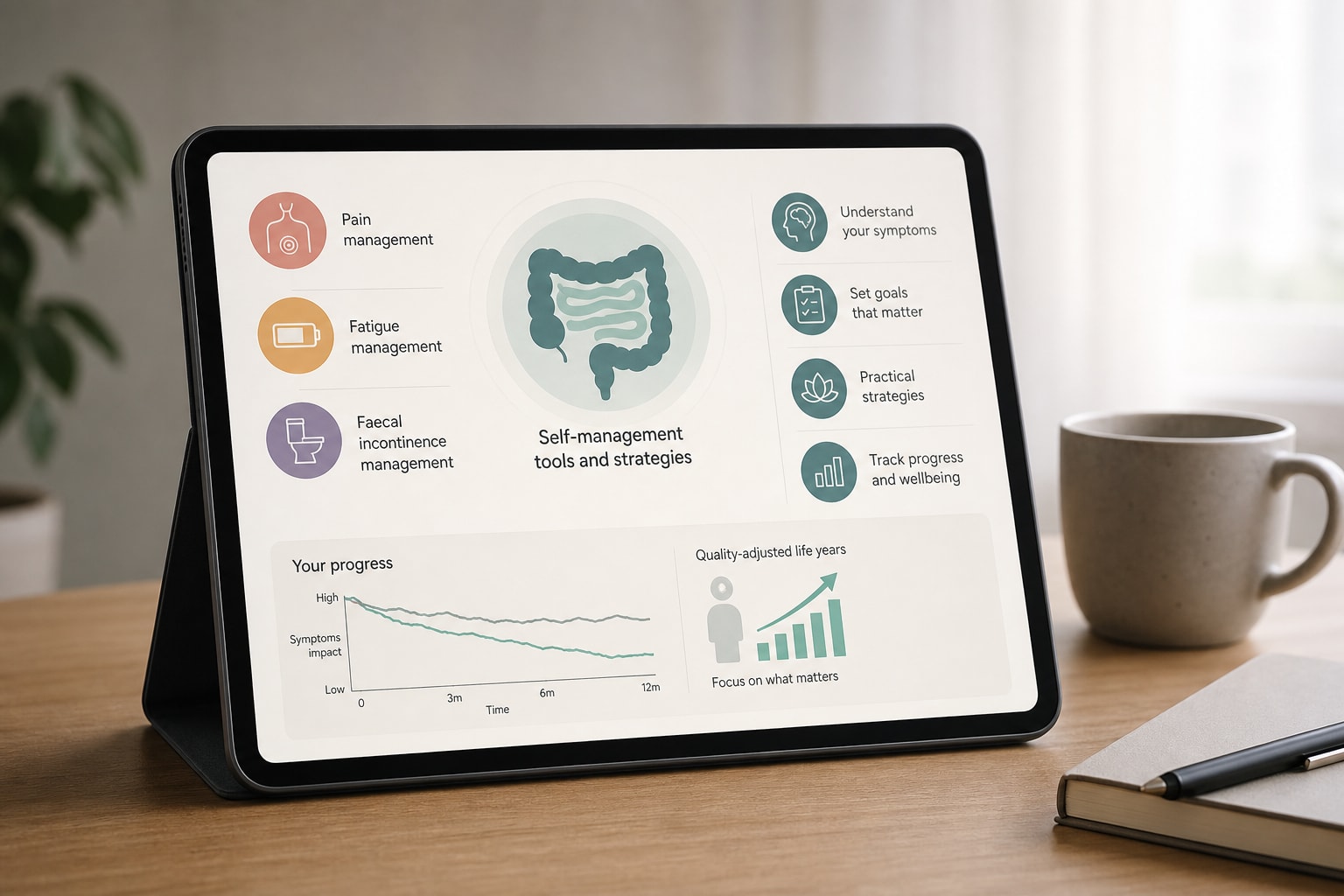
    The IBD-BOOST trial randomized 780 participants with inflammatory bowel disease to assess a digital self-management intervention for pain, fatigue, and faecal incontinence.

  • 2

    The intervention did not significantly improve primary outcomes but showed trends towards benefits in secondary health economic measures.

  • 3

    Participants in the IBD-BOOST group gained an additional 0.016 quality-adjusted life years (QALYs) over 12 months compared to the control group.

  • 4

    The IBD-BOOST intervention resulted in cost savings of £304.66 for healthcare and £39.48 for out-of-pocket expenses per participant.

  • 5

    The analysis indicated high probability of cost-effectiveness for the IBD-BOOST intervention from both health services and societal perspectives.

Original Source(s)

Related Content