Neurophysiological mechanisms of breathing-based well-being practices: a narrative review for clinical application - Takeaways - MDSpire

Neurophysiological mechanisms of breathing-based well-being practices: a narrative review for clinical application

  • By

  • Pravesh Sharma

  • Vaishnavi Veerareddy

  • Isu Hong

  • Marin Nycklemoe

  • Mahathi Kandimalla

  • Vamika Sharma

  • Tiffany L. Kung

  • Rowa Osman

  • Seokbeen Lim

  • Karunya K. Kandimalla

  • Maria I. Lapid

  • Paul H. Min

  • July 8, 2026

  • 0 min

Share

  • 1

    Breathing practices influence physiological processes by engaging neural, cardiovascular, glymphatic, and autonomic systems.

  • 2

    Controlled breathing can lower heart rate and blood pressure while enhancing parasympathetic tone.

  • 3

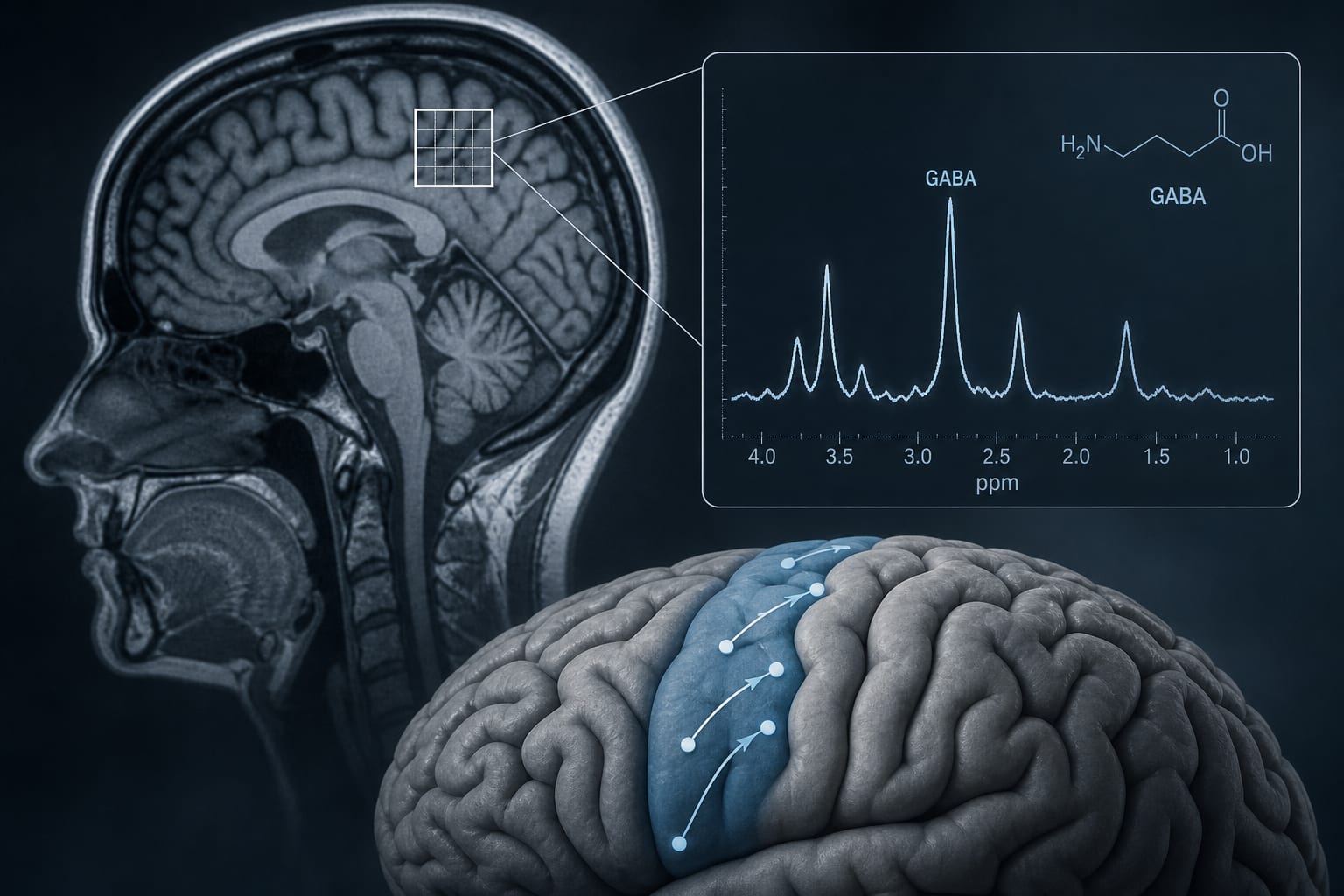
    Neuroimaging studies indicate that regulated breathing reduces activity in stress-related brain regions.

  • 4

    Certain populations, such as those with panic symptoms or significant cardiopulmonary disease, require caution with breathing techniques.

  • 5

    Breathing practices are not substitutes for medical treatment but may serve as low-cost adjuncts for stress reduction.

Original Source(s)

Related Content