-
1
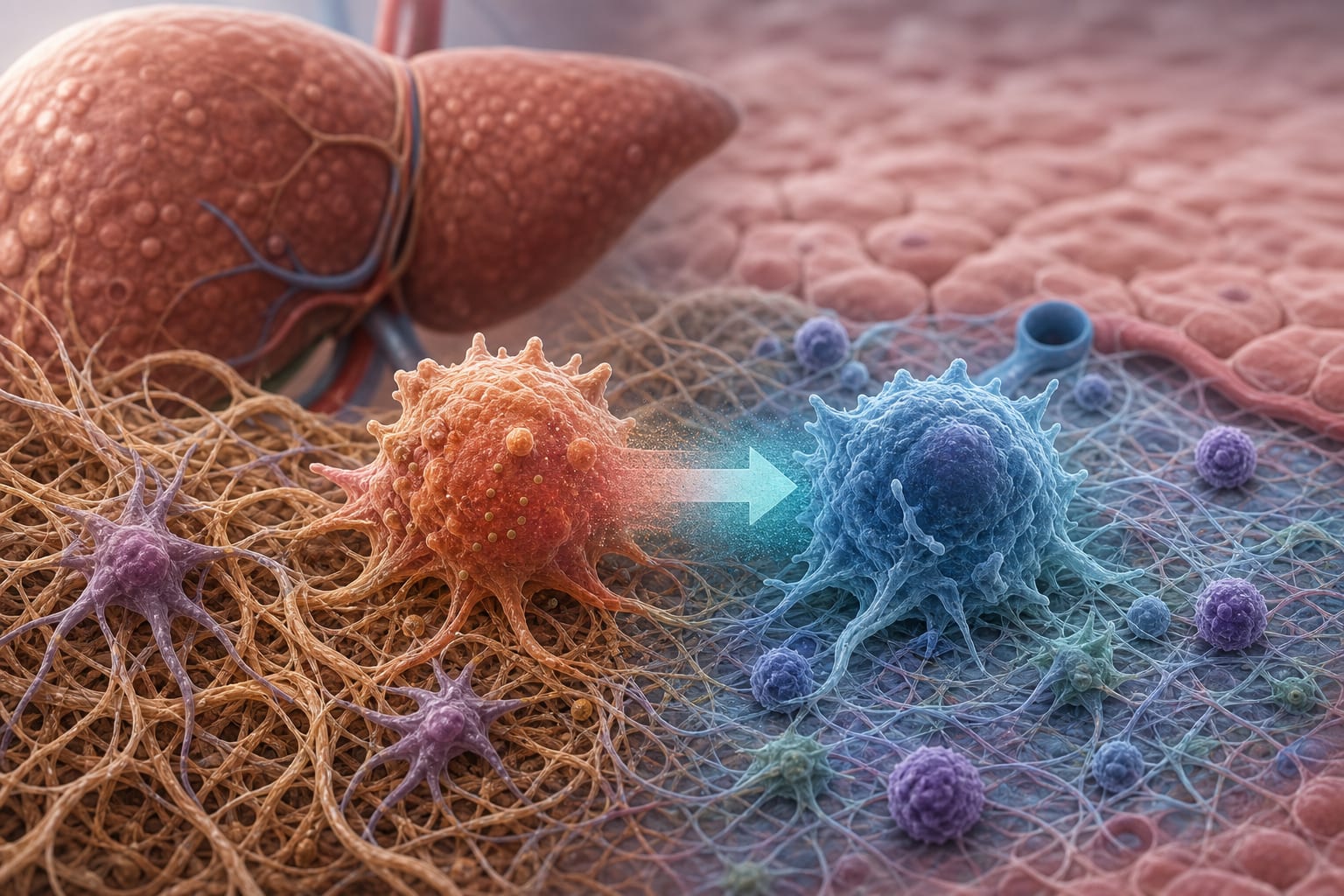
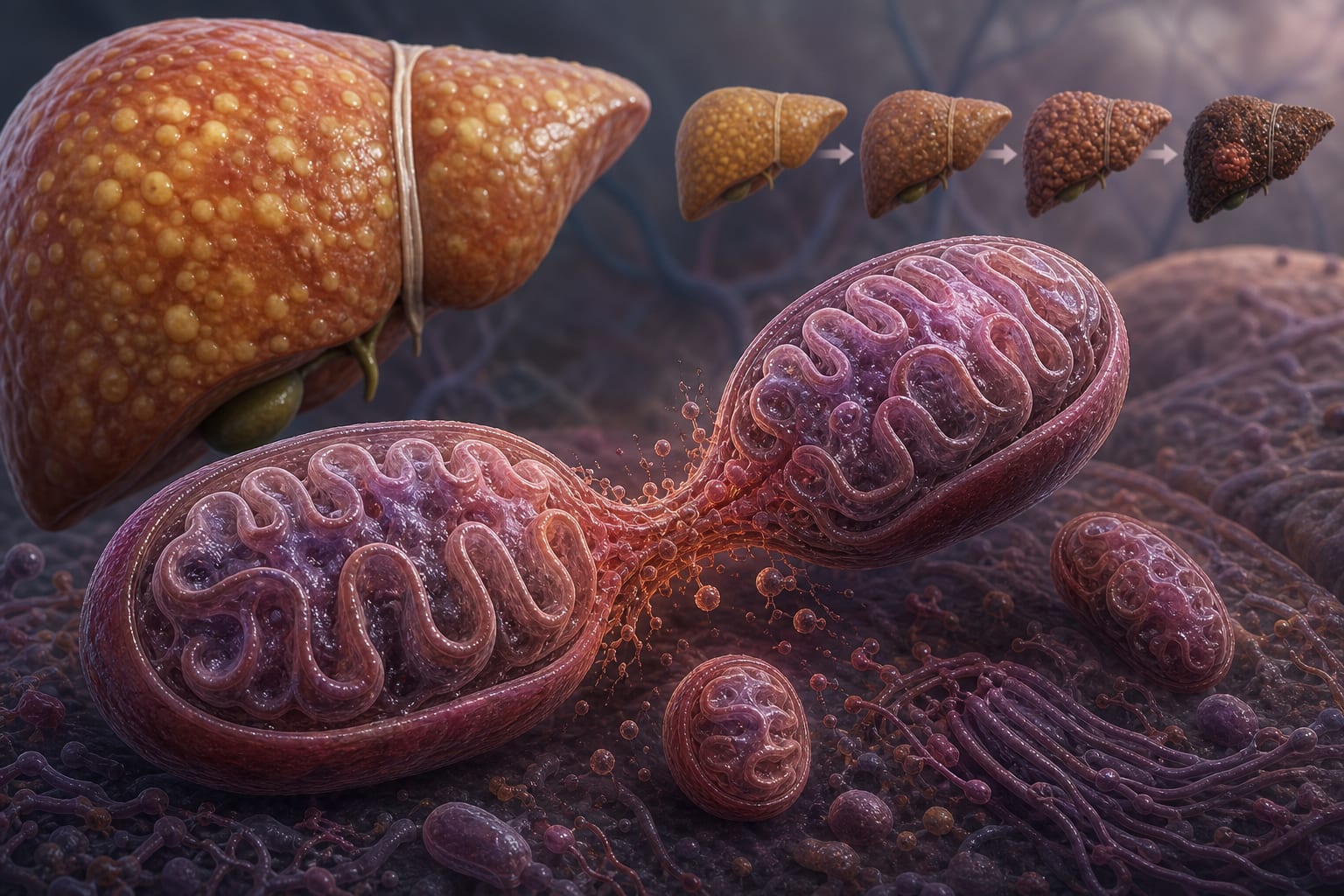
Liver fibrosis is a dynamic and potentially reversible process influenced by macrophages, which play a central role in both fibrogenesis and fibrosis resolution.
-
2
Macrophage reprogramming is proposed as a therapeutic strategy for liver fibrosis, utilizing various interventions to promote restorative macrophage phenotypes.
-
3
Key signaling pathways, including NF-κB and PPARs, govern macrophage function and fate, highlighting the complexity of their roles in liver fibrosis.
-
4
Emerging clinical data suggest that effective antifibrotic strategies require coordinated modulation of macrophages alongside other hepatic cell populations.
-
5
The heterogeneity of liver macrophages challenges traditional binary classifications, emphasizing the need for a nuanced understanding of their roles in fibrosis.