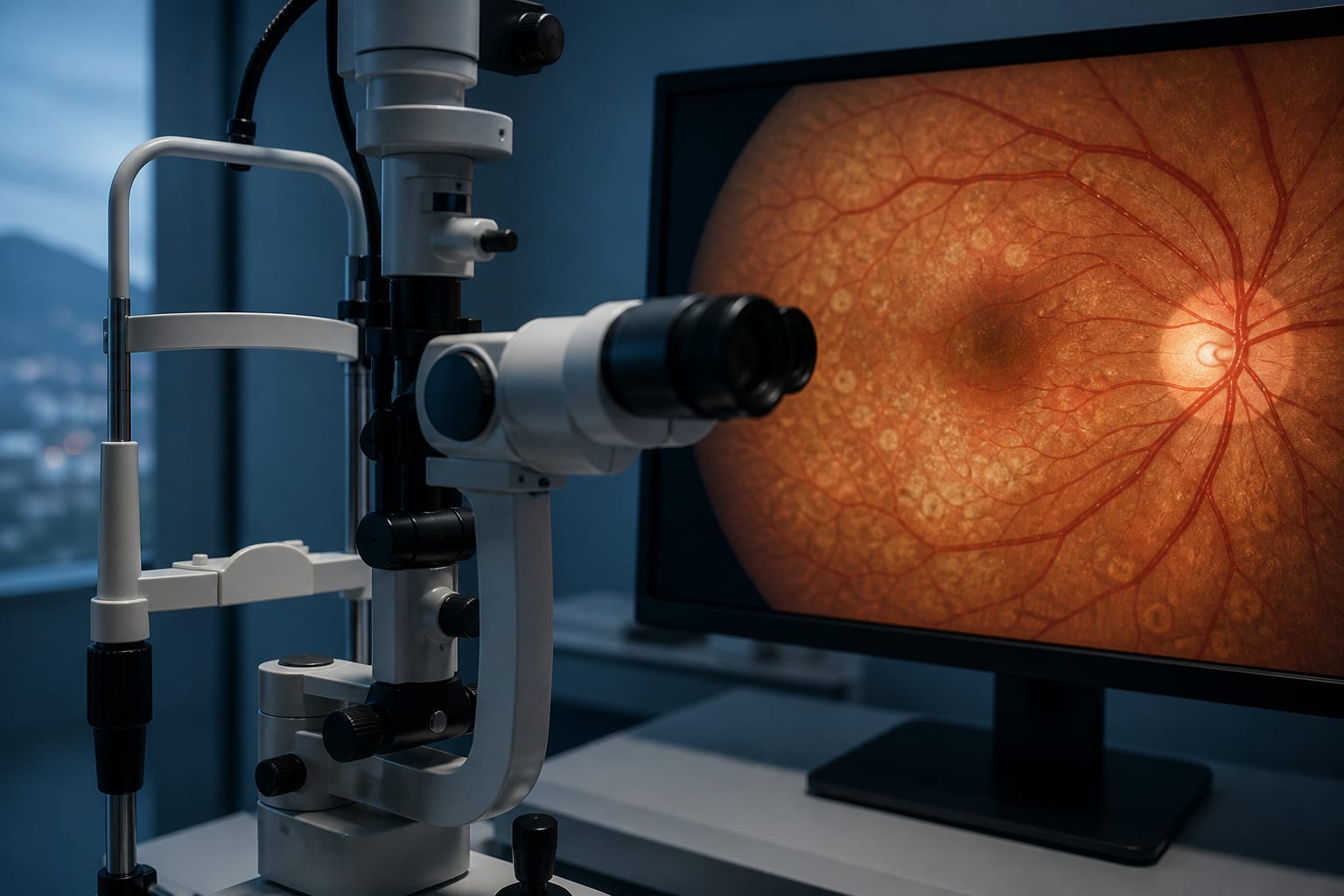
Persistent foetal vasculature: Developmental mechanisms, contemporary management and evolving therapeutics - Takeaways - MDSpire
Coming Soon: Introducing MDSpire News. Learn more
Conexiant’s news site is now MDSpire News. Learn more

Persistent Fetal Vasculature: Mechanisms of Development, Current Treatment Approaches, and Advancements in Therapy

  • By

  • Robert H. Henderson

  • October 6, 2026

Share

  • 1

    Persistent fetal vasculature (PFV) is a developmental disorder in which the fetal hyaloid vascular network fails to regress normally.

  • 2

    PFV reflects disrupted coordination among HIF-VEGF angiogenic signaling, macrophage-mediated regression, Wnt pathways, and ocular growth.

  • 3

    Mutations in NDP, FZD4, LRP5, TSPAN12, and ATOH7 are associated with PFV-like features or autosomal-recessive PFV.

  • 4

    PFV is classified as anterior, posterior, or combined, and may include a retrolental plaque, a disc-to-lens stalk, retinal folds, or microphthalmia.

  • 5

    Ultrasound with Doppler, wide-field fluorescein angiography, OCT, OCT angiography, and intraoperative endoscopy help characterize PFV and inform surgical assessment.

Original Source(s)

Related Content