Severe Traumatic Brain Injury in children—paradigm of decompressive craniectomy compared to a historic cohort - Takeaways - MDSpire
Coming Soon: Introducing MDSpire News. Learn more
Conexiant’s news site is now MDSpire News. Learn more

Comparative Analysis of Decompressive Craniectomy for Severe Traumatic Brain Injury in Pediatric Patients Versus Historical Data

  • By

  • Vanessa Hubertus

  • Tobias Finger

  • Ricarda Drust

  • Sara Al Hakim

  • Andreas Schaumann

  • Matthias Schulz

  • Alexander Gratopp

  • Ulrich-Wilhelm Thomale

  • March 19, 2022

Share

  • 1

    Severe traumatic brain injury (TBI) occurs in about 5% of pediatric TBI cases, defined as a Glasgow Coma Scale (GCS) of 8 or less.

  • 2

    Road traffic accidents and falls are the leading causes of severe TBI in children, despite a global decrease in traffic-related incidents.

  • 3

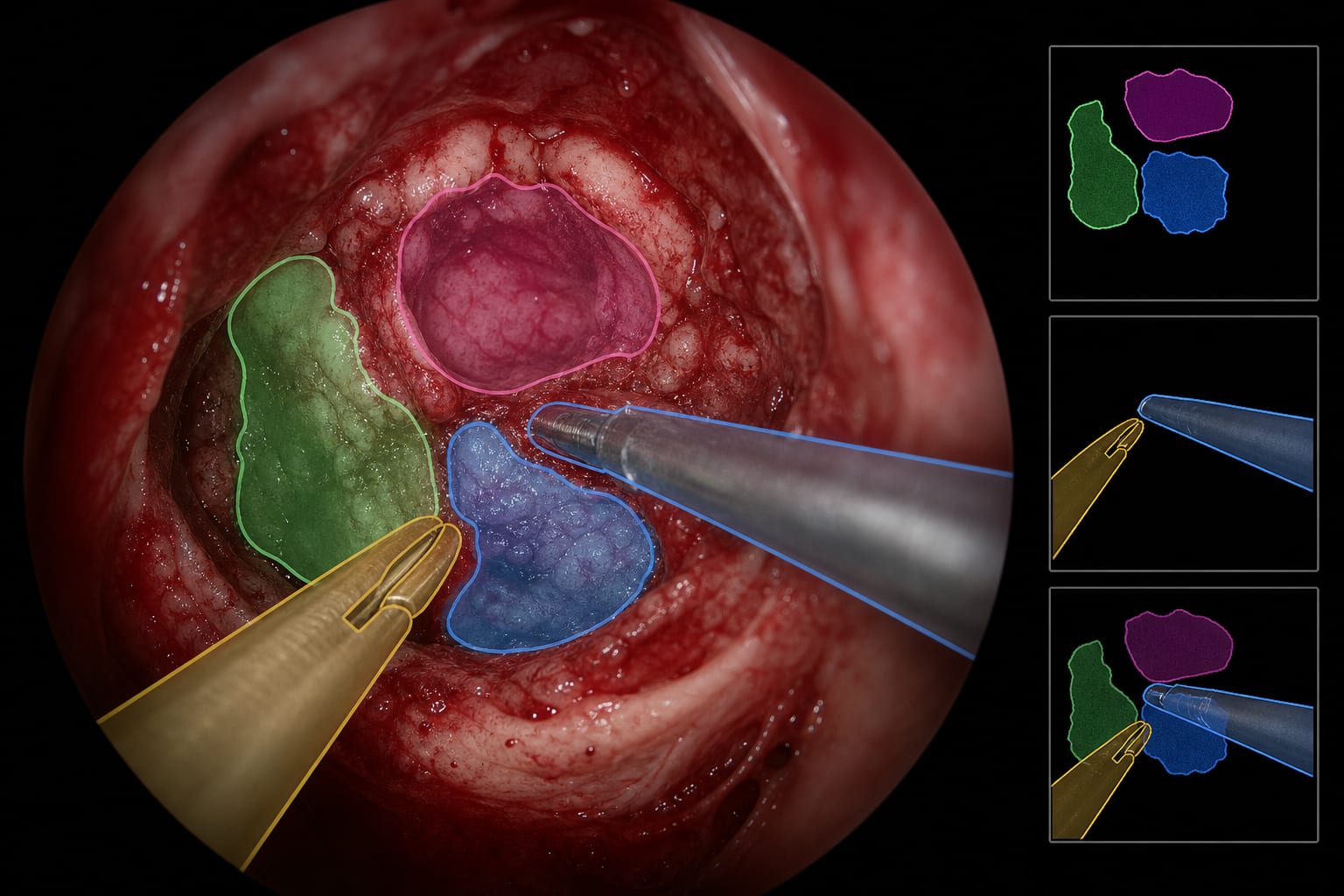
    Decompressive craniectomy (DC) is a rescue therapy for severe TBI, indicated for refractory elevated intracranial pressure or visible mass lesions.

  • 4

    Pediatric TBI differs from adult TBI in skull compressibility, prevalence of diffuse brain swelling, and recovery potential.

  • 5

    This study compares outcomes of pediatric severe TBI patients treated surgically or conservatively from 2008 to 2018 with a historic cohort from 1996 to 2007.

Original Source(s)

Related Content