-
1
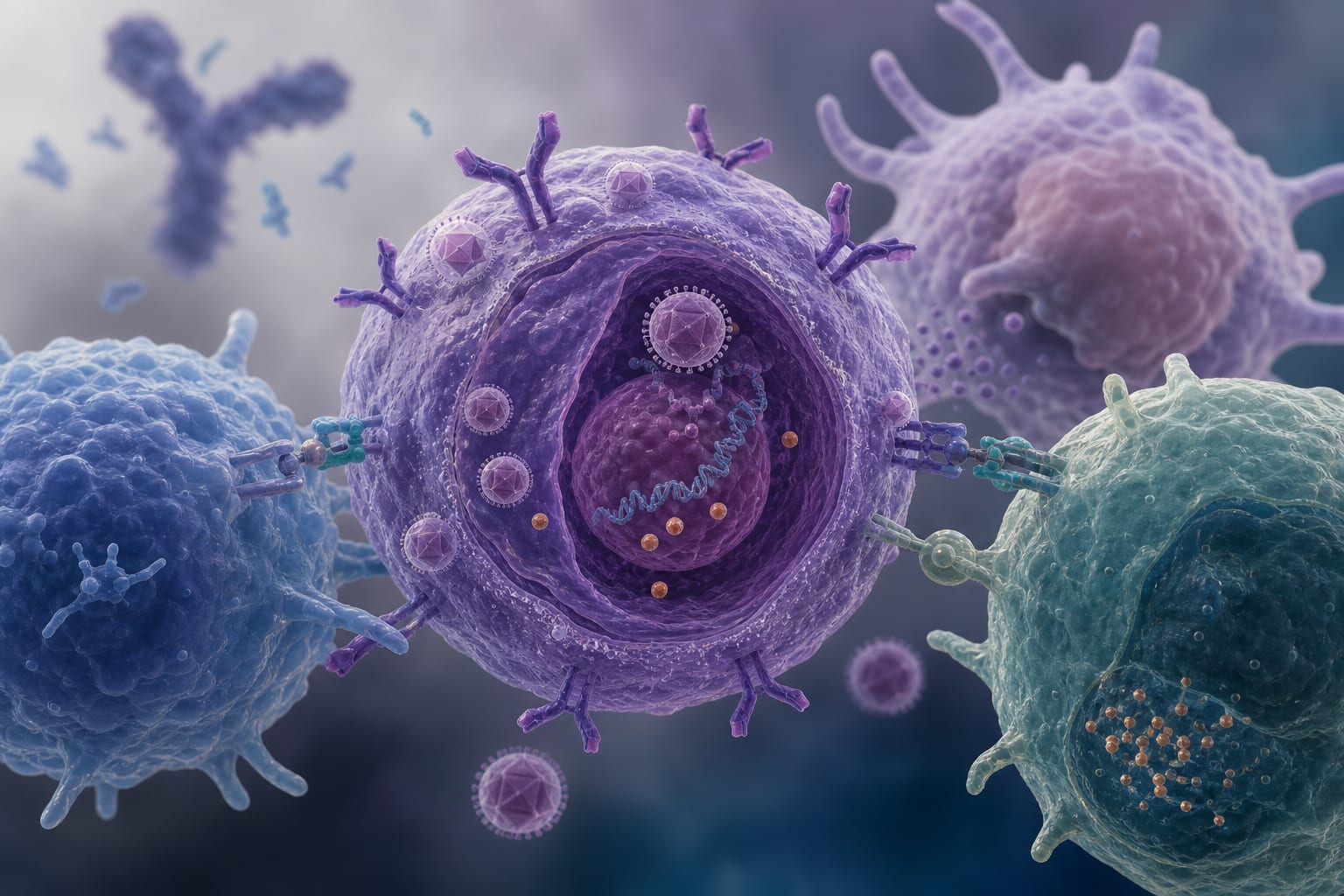
Epstein-Barr virus (EBV) is linked to various diseases, including autoimmune disorders and cancers, affecting over 90% of the global population.
-
2
EBV modulates immune cell function, influencing disease initiation and progression through interactions with T cells, B cells, and other immune cells.
-
3
The virus employs multiple immune evasion strategies, including downregulating TLR signaling and disrupting antigen presentation to maintain latency.
-
4
EBV's latent proteins, such as LMP1, alter host cell biology, promoting malignant transformation through signaling and epigenetic modifications.
-
5
Emerging therapeutic strategies targeting EBV include monoclonal antibodies, CAR-T therapy, and vaccines, aiming to counteract its immunopathogenic effects.