Reproducible Molecular Subtypes in Systemic Lupus Erythematosus Are Associated With Disease Activity, Serology, and Distinct Trajectories Over Time - Takeaways - MDSpire

Consistent Molecular Subtypes in Systemic Lupus Erythematosus Correlate With Disease Activity, Serological Profiles, and Unique Longitudinal Patterns

  • By

  • Loqmane Seridi

  • Eugene Myshkin

  • Erika Noss

  • Sheng Gao

  • Julio Molineros

  • Carolyn Cuff

  • Dawn Waterworth

  • Matthew J. Loza

  • July 1, 2026

Share

  • 1

    Systemic lupus erythematosus (SLE) is a chronic autoimmune disease characterized by heterogeneous manifestations across organ systems.

  • 2

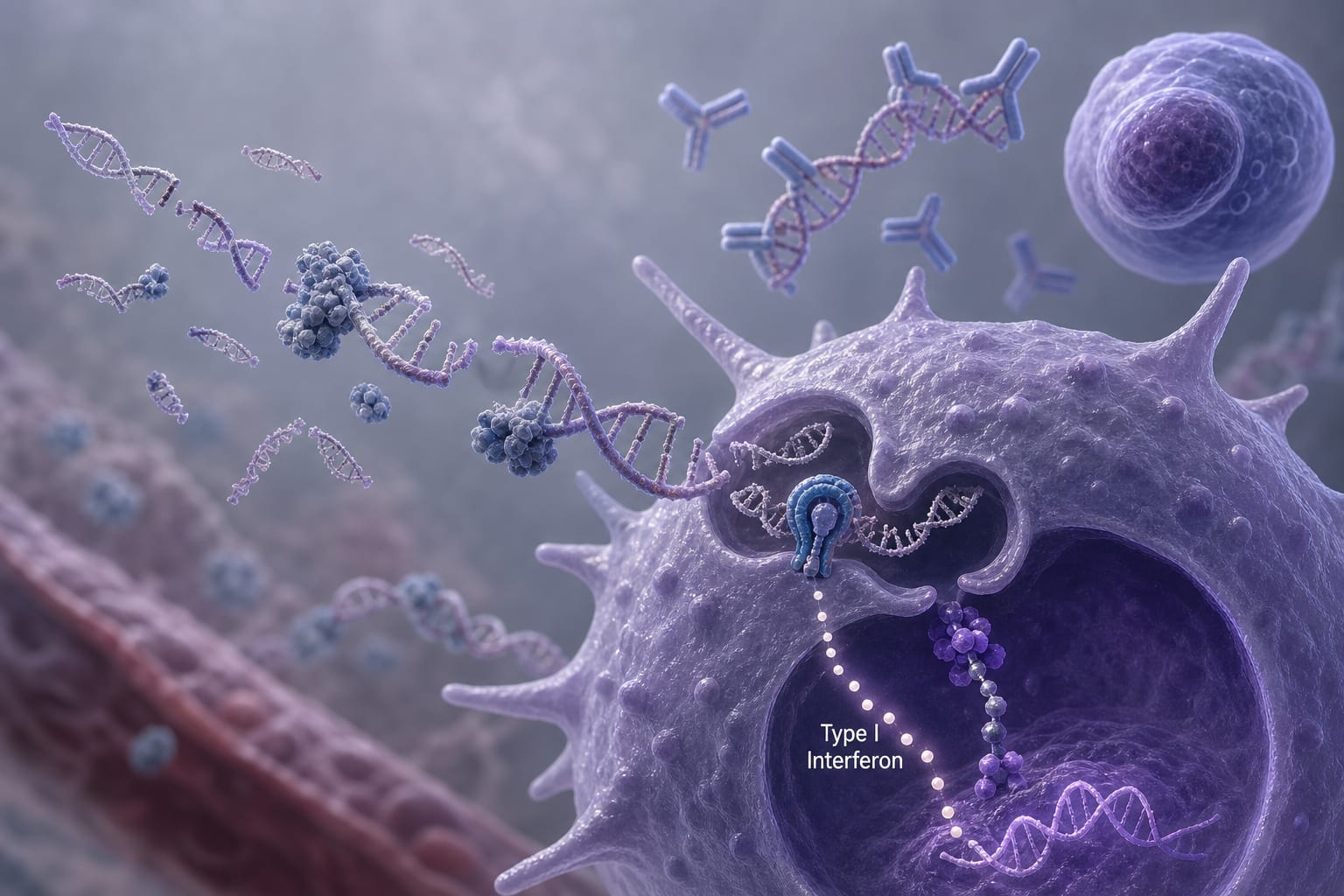
    Whole-blood transcriptomic studies have identified immune programs in SLE, including elevated interferon signaling and B cell/plasmablast activation.

  • 3

    The study utilized three large SLE cohorts to identify robust molecular subtypes and assess their reproducibility across platforms and sample types.

  • 4

    Consensus clustering identified six distinct molecular subtypes in the ILLUMINATE cohort, which were validated in LOTUS and Genuity Science cohorts.

  • 5

    Serum proteomics and transcriptomics were integrated to characterize each subtype based on clinical features, serology, and longitudinal stability.

Original Source(s)

Related Content