Immune-inflammatory endotypes of chronic rhinosinusitis: from epithelial alarmins to personalized therapy - Takeaways - MDSpire

Immune-Inflammatory Endotypes in Chronic Rhinosinusitis: From Epithelial Alarmins to Tailored Treatment Approaches

  • By

  • Hanxiong Li

  • Longting Wang

  • Dingbo Li

  • July 17, 2026

Share

  • 1

    Chronic rhinosinusitis (CRS) is classified into two phenotypes: with nasal polyps (CRSwNP) and without nasal polyps (CRSsNP).

  • 2

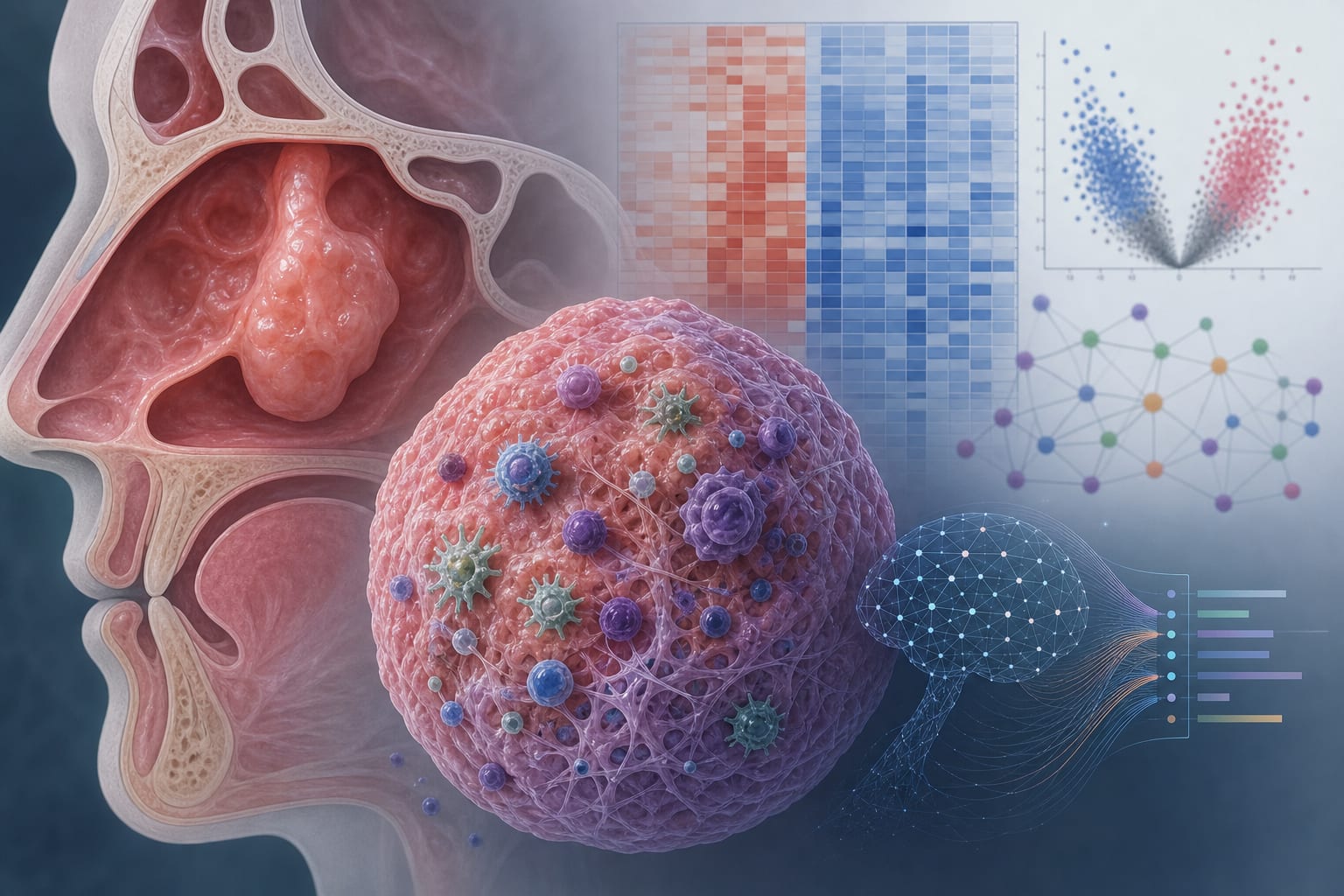
    Traditional phenotypic classifications of CRS do not adequately capture the disease's underlying pathophysiological heterogeneity.

  • 3

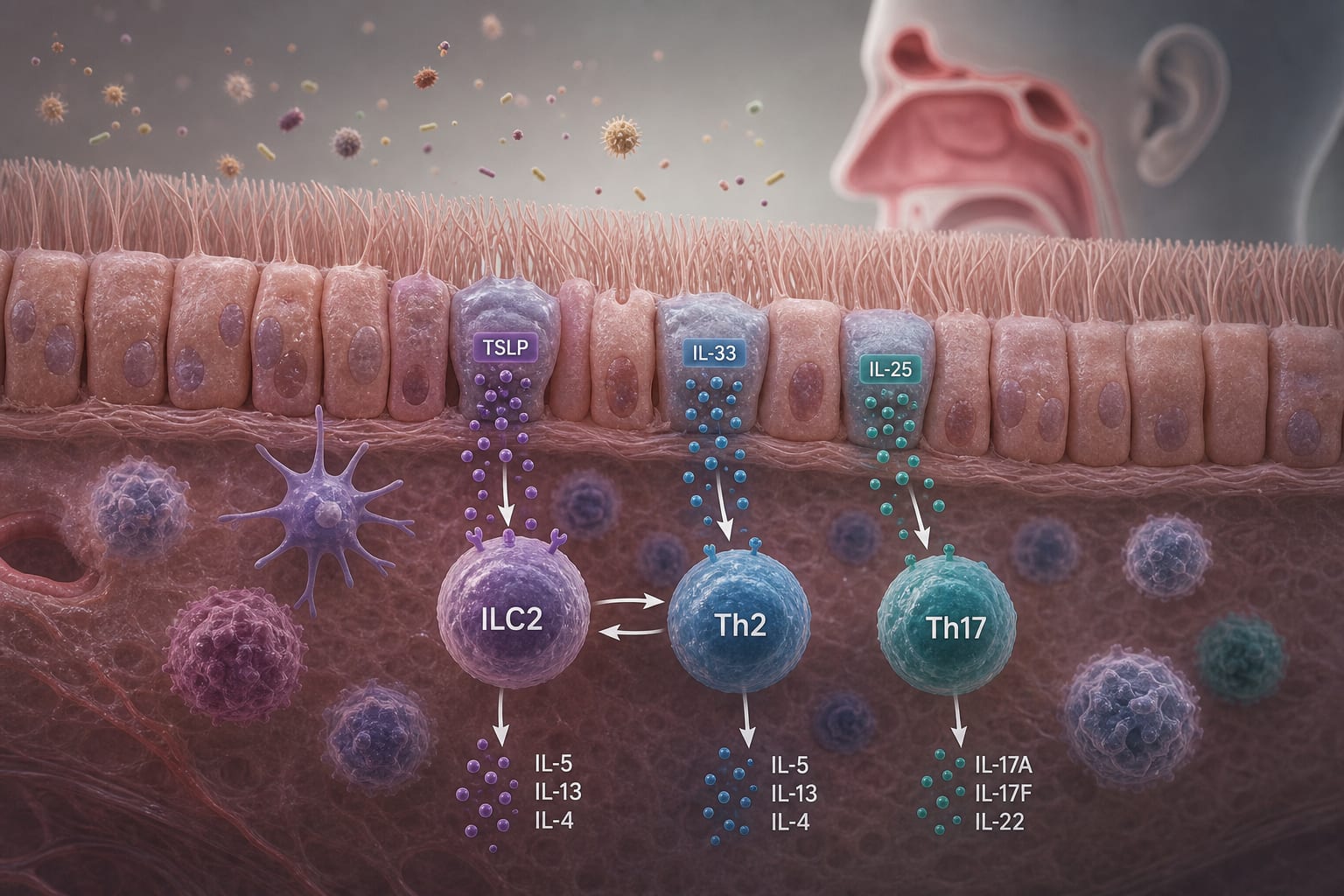
    Immunological endotyping identifies distinct inflammatory pathways in CRS, including type 1, type 2, and type 3 immune responses.

  • 4

    Epithelial-derived cytokines and immune cells play critical roles in modulating the immune landscape of CRS.

  • 5

    Geographical and ethnic differences affect the prevalence of CRS endotypes, highlighting the need for tailored diagnostic and therapeutic approaches.

Original Source(s)

Related Content