Pyridoxine-dependent and other pyridoxine-responsive epilepsies—insights into phenotype overlapping and the long-term outcome in a cohort of 21 children - Takeaways - MDSpire

Pyridoxine-dependent and other pyridoxine-responsive epilepsies—insights into phenotype overlapping and the long-term outcome in a cohort of 21 children

  • By

  • Ružica Kravljanac

  • Biljana Vučetić Tadić

  • Vladimir Oparnica

  • July 13, 2026

Share

  • 1

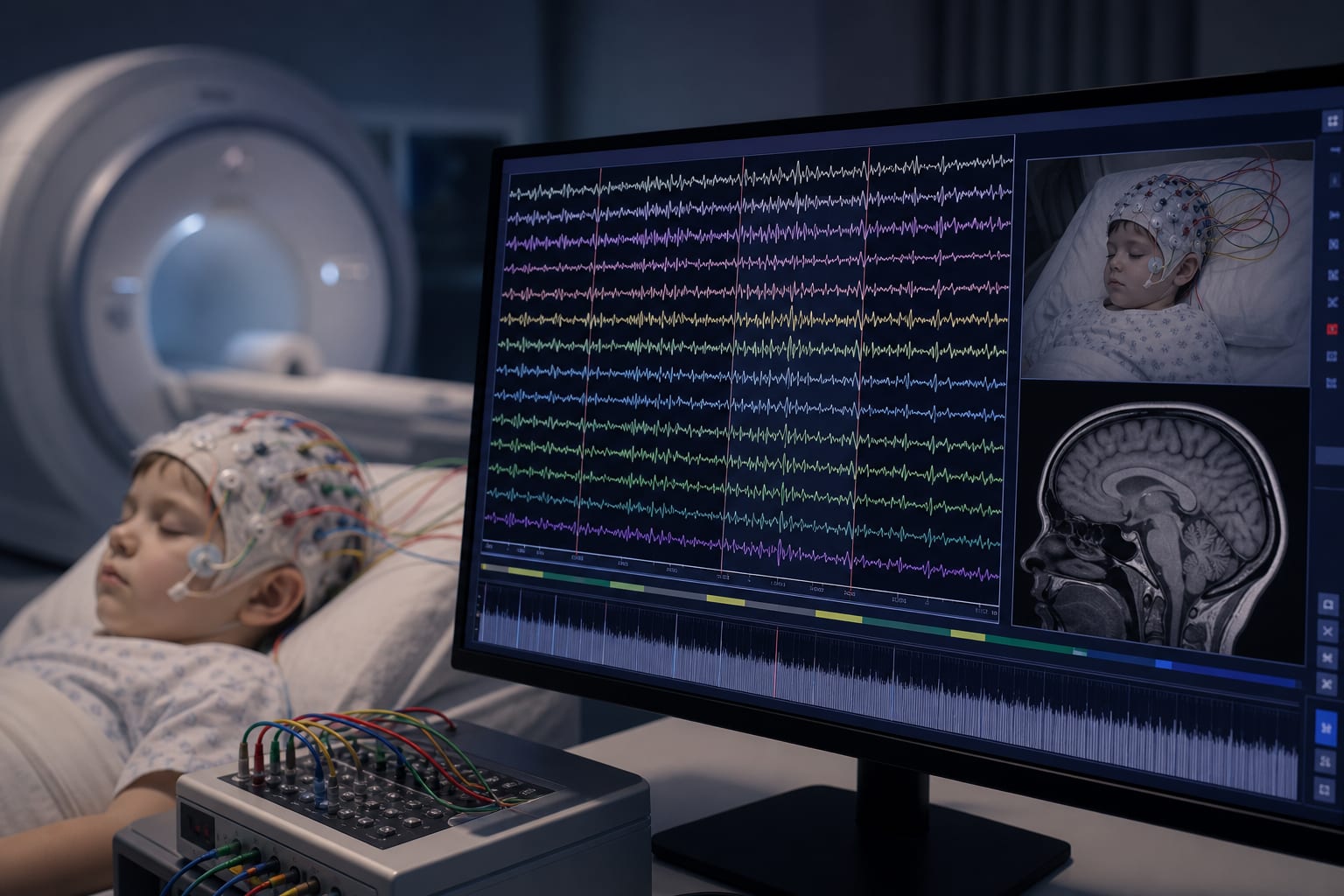
    The study evaluated 21 children with pyridoxine-responsive seizures, focusing on etiology, phenotype, and long-term outcomes.

  • 2

    Patients were divided into two groups: pyridoxine-dependent epilepsy (PDE) and pyridoxine-responsive epilepsy (PRE) with various etiologies.

  • 3

    The median age at seizure onset was 2 days for both groups, with no significant difference in the time to pyridoxine treatment.

  • 4

    Seizure freedom was achieved in 80% of PDE patients and 72.7% of PRE patients, while developmental delays were noted in over half of both groups.

  • 5

    MRI abnormalities were observed in 80% of PDE and 63.6% of PRE patients, indicating significant differences in neuroimaging findings.

Original Source(s)

Related Content