Follicular Lymphoma
Stay at the forefront of follicular lymphoma care with insights from the Lancet, featuring groundbreaking research and authoritative reviews that inform the latest advances in diagnosis, treatment, and patient care.
Research in Context is a structured summary that editors at The Lancet’s journals ask all authors to provide when submitting an original research article. Read more
Stay at the forefront of follicular lymphoma care with insights from the Lancet, featuring groundbreaking research and authoritative reviews that inform the latest advances in diagnosis, treatment, and patient care.
In this global, open-label, randomised trial, epcoritamab plus R² was associated with higher response rates and longer progression-free survival than R² alone, with more frequent grade 3 or higher adverse events reported for the triplet.
The Lancet Group reaches millions of clinicians and researchers worldwide.

In a phase 3 randomised trial, adding tafasitamab, which is not currently approved for this combination or indication, to lenalidomide and rituximab was associated with longer progression-free survival versus placebo; overall survival and quality-of-life data are still awaited.
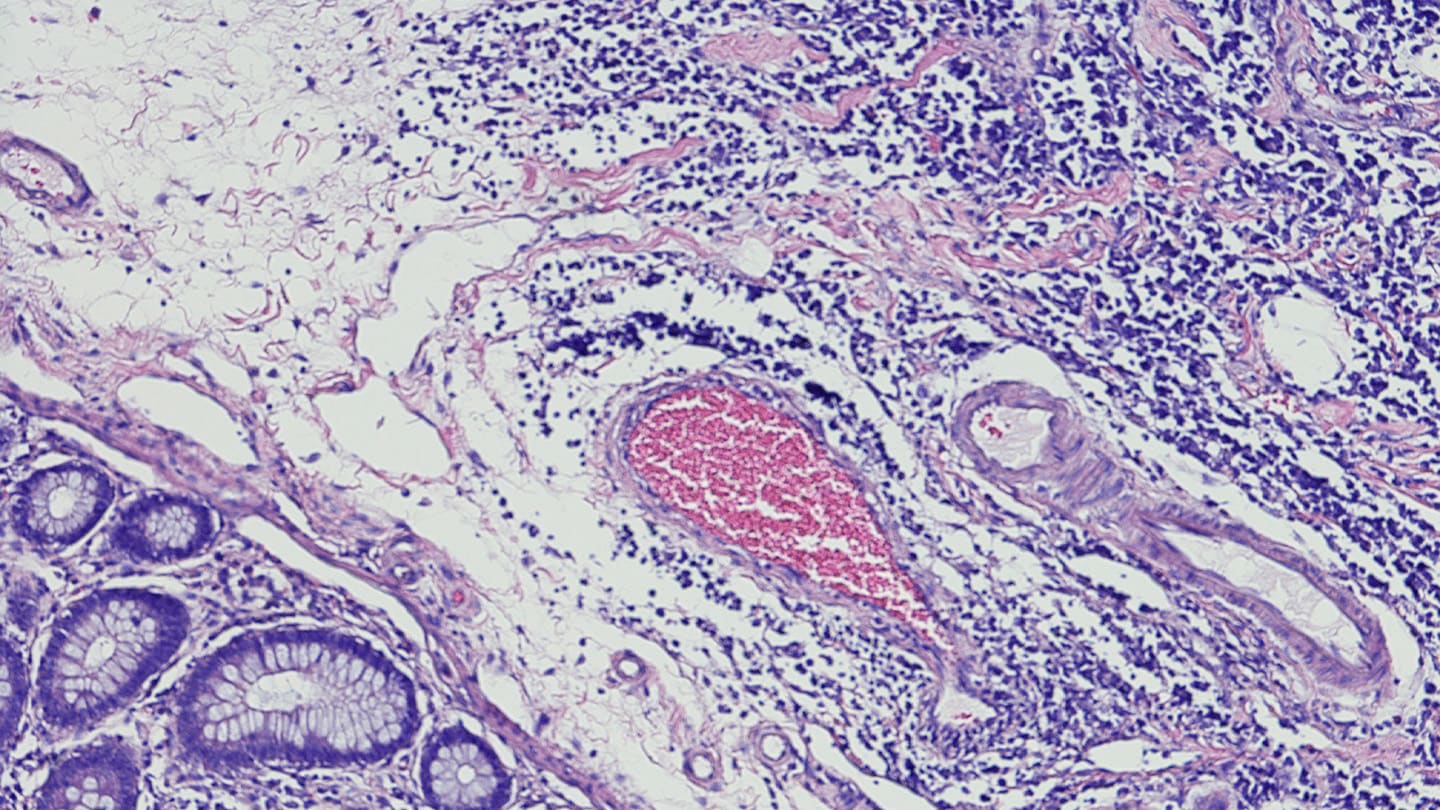
In a single-arm, phase 2 study without a comparator arm, investigators reported high response rates in 39 patients, including high-risk subgroups; read the Research in Context.

In the phase 2 EPCORE NHL-1 trial, optimal treatment duration remains undetermined; investigators reported clinically meaningful activity with manageable safety.
In a heavily pretreated population with relapsed or refractory follicular lymphoma who had received two or more previous therapies, investigators reported durable responses with mosunetuzumab; benefit–risk is still being validated in ongoing trials.
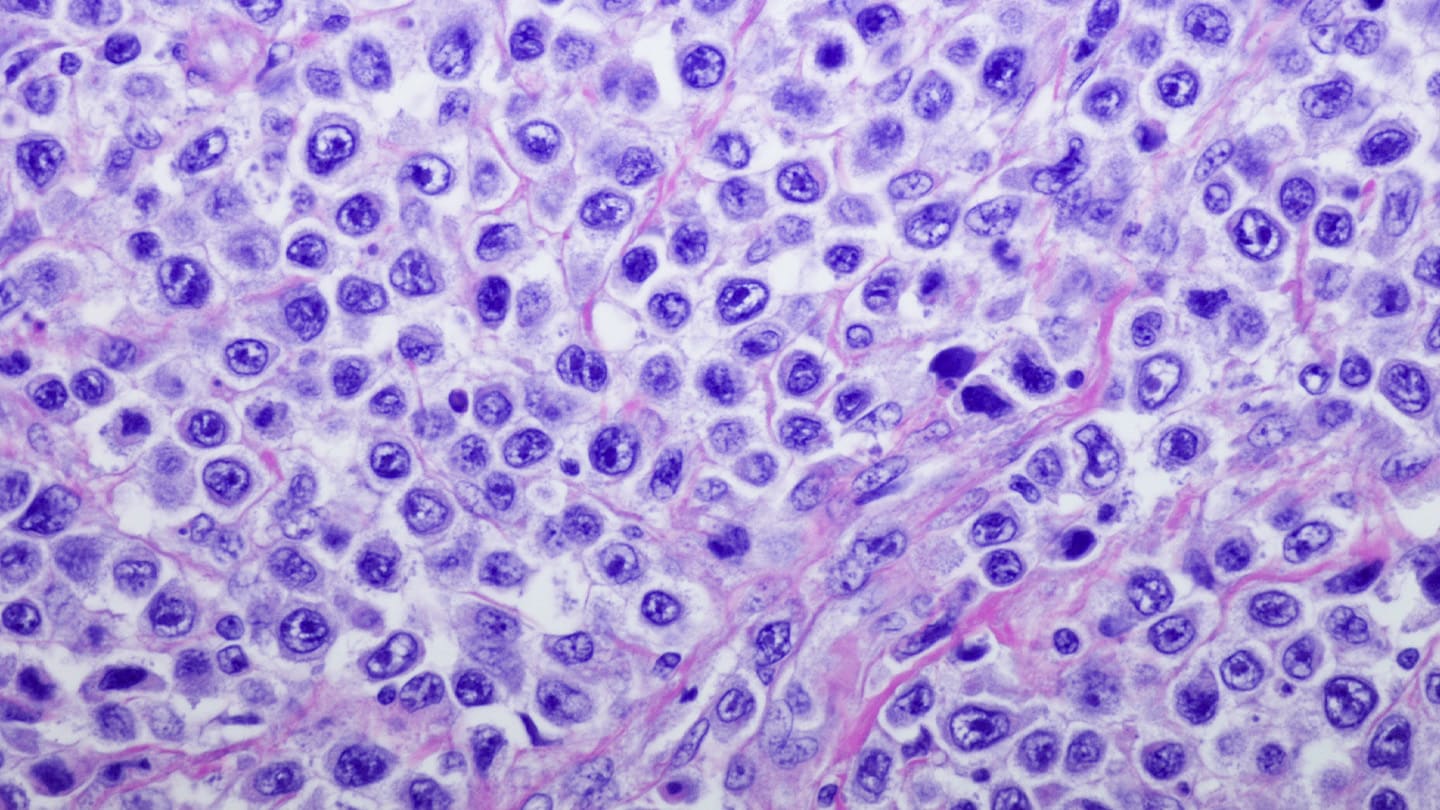
In heavily pretreated patients, investigators reported durable responses and a favourable safety profile with tazemetostat, and called for future studies of combination use.

With long-term follow-up, the authors report 4 Gy was not non-inferior to 24 Gy for local control of follicular lymphoma, though 4 Gy may offer pragmatic value for palliative symptom control.

The authors describe supporting evidence for this regimen (with lenalidomide maintenance) in relapsed or refractory follicular lymphoma, including subgroups with early disease progression or refractory disease; study design and phase were not stated in the provided text.