Inflammatory Bowel Disease
Stay at the forefront of inflammatory bowel disease care with insights from the Lancet, featuring groundbreaking research and authoritative reviews that inform the latest advances in diagnosis, treatment, and patient care.
Research in Context is a structured summary that editors at The Lancet’s journals ask all authors to provide when submitting an original research article. Read more
Stay at the forefront of inflammatory bowel disease care with insights from the Lancet, featuring groundbreaking research and authoritative reviews that inform the latest advances in diagnosis, treatment, and patient care.
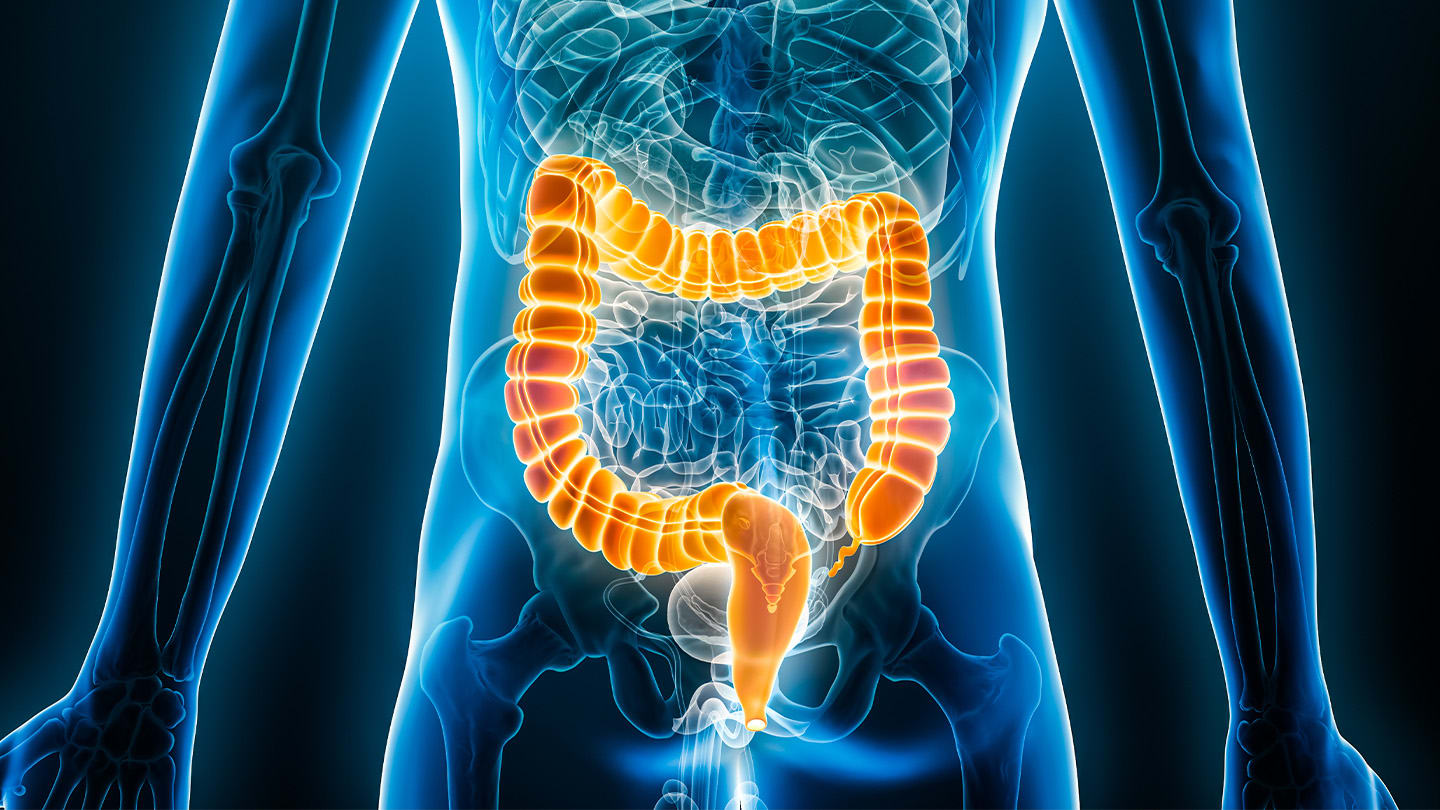
Researchers analyzed two large UK IBD cohorts and reported associations between this HLA allele and complications including perianal disease and Crohn's disease surgery, while also clarifying that an earlier reported link to arthritis was confounded by a separate allele.
The Lancet Group reaches millions of clinicians and researchers worldwide.

An international panel recommends how intestinal ultrasound could be used to monitor recurrence after bowel resection, while noting a validated recurrence index has yet to be developed.

In an RCT, standalone C-EEN maintained 12-month remission in 51% of paediatric Crohn's patients vs 24% with partial enteral nutrition (PEN); a specific microbial pattern linked to poor response requires independent confirmation.

Study design and effect-size details are not stated in this summary; the authors report ASTRO evaluated fully subcutaneous guselkumab induction and maintenance in moderately to severely active ulcerative colitis.

Investigators reported an association between early-disease vedolizumab treatment and higher remission rates versus late disease over 1 year, in findings the authors say could inform treatment selection; read the Research in Context.

In this patient-preference (non-randomised) COSTA study, investigators reported higher 12-month clinical and corticosteroid-free remission after appendicectomy versus JAK inhibitor therapy in biologic-exposed patients with moderately to severely active ulcerative colitis.
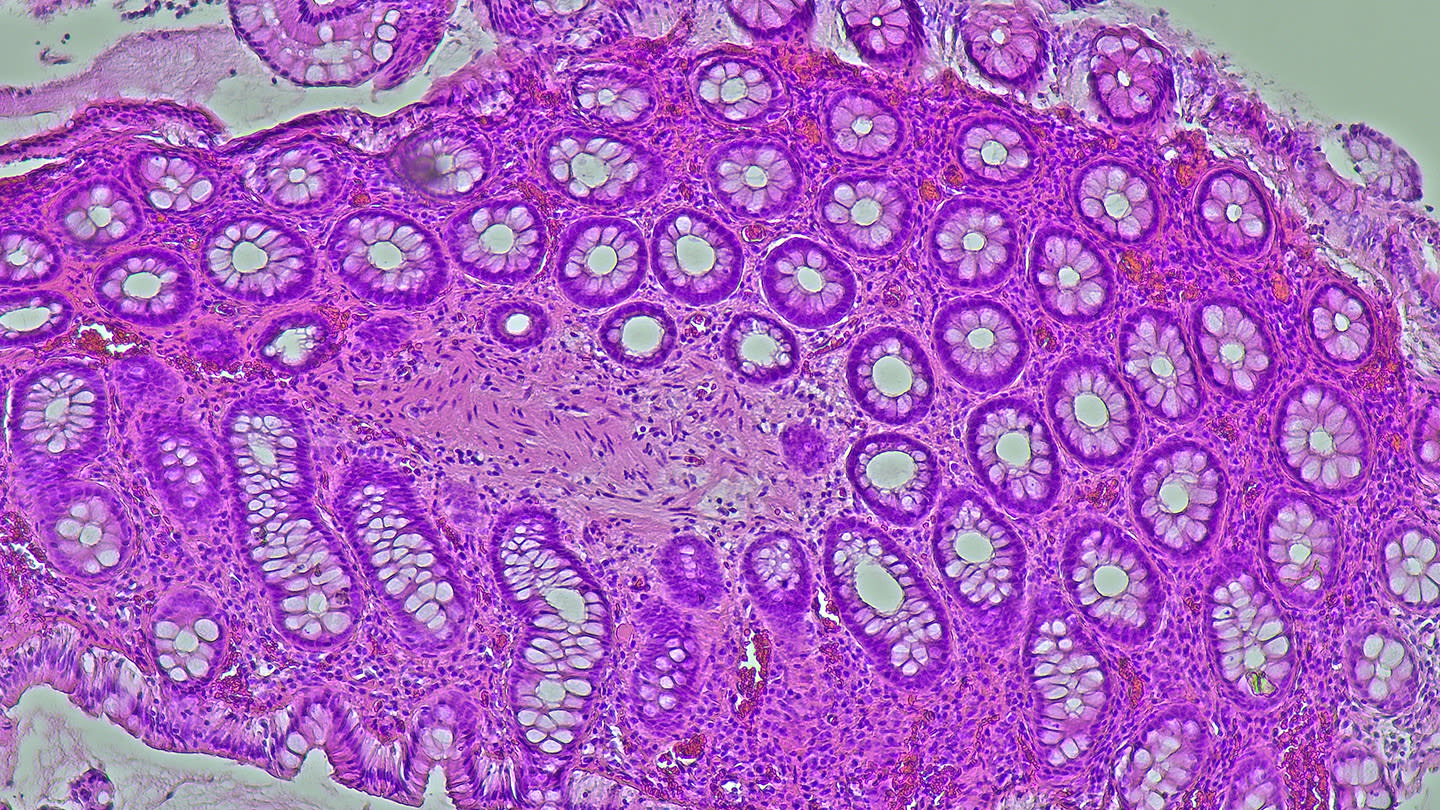
In the phase 2 SHINE-1 trial, mirikizumab was associated with improvements in clinical, endoscopic, histologic, and symptomatic outcomes and an acceptable safety profile among paediatric participants with ulcerative colitis after inadequate response, loss of response, or intolerance to prior therapies; the authors say findings support further evaluation for moderately-to-severely active disease in this population.
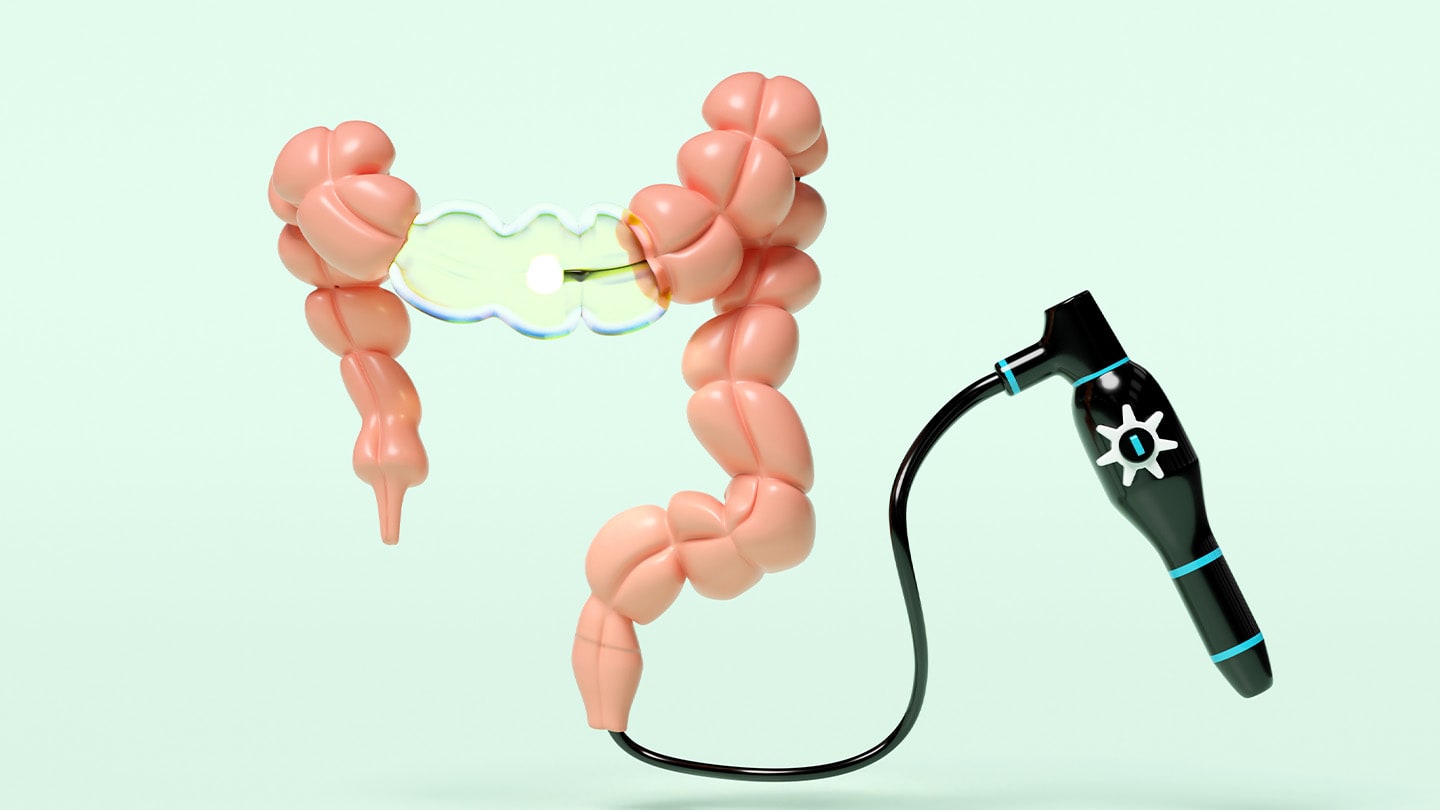
Preliminary, non-efficacy-powered phase 1 findings, including safety, tolerability, pharmacokinetic, and proof-of-mechanism data, led the authors to describe support for further clinical development of investigational SOR102.

In two phase 3 trials, investigational guselkumab showed week 48 efficacy versus ustekinumab in adults with Crohn's disease.