Prostate Cancer
Stay at the forefront of prostate cancer care with insights from the Lancet, featuring groundbreaking research and authoritative reviews that inform the latest advances in diagnosis, treatment, and patient care.
Research in Context is a structured summary that editors at The Lancet’s journals ask all authors to provide when submitting an original research article. Read more
Stay at the forefront of prostate cancer care with insights from the Lancet, featuring groundbreaking research and authoritative reviews that inform the latest advances in diagnosis, treatment, and patient care.
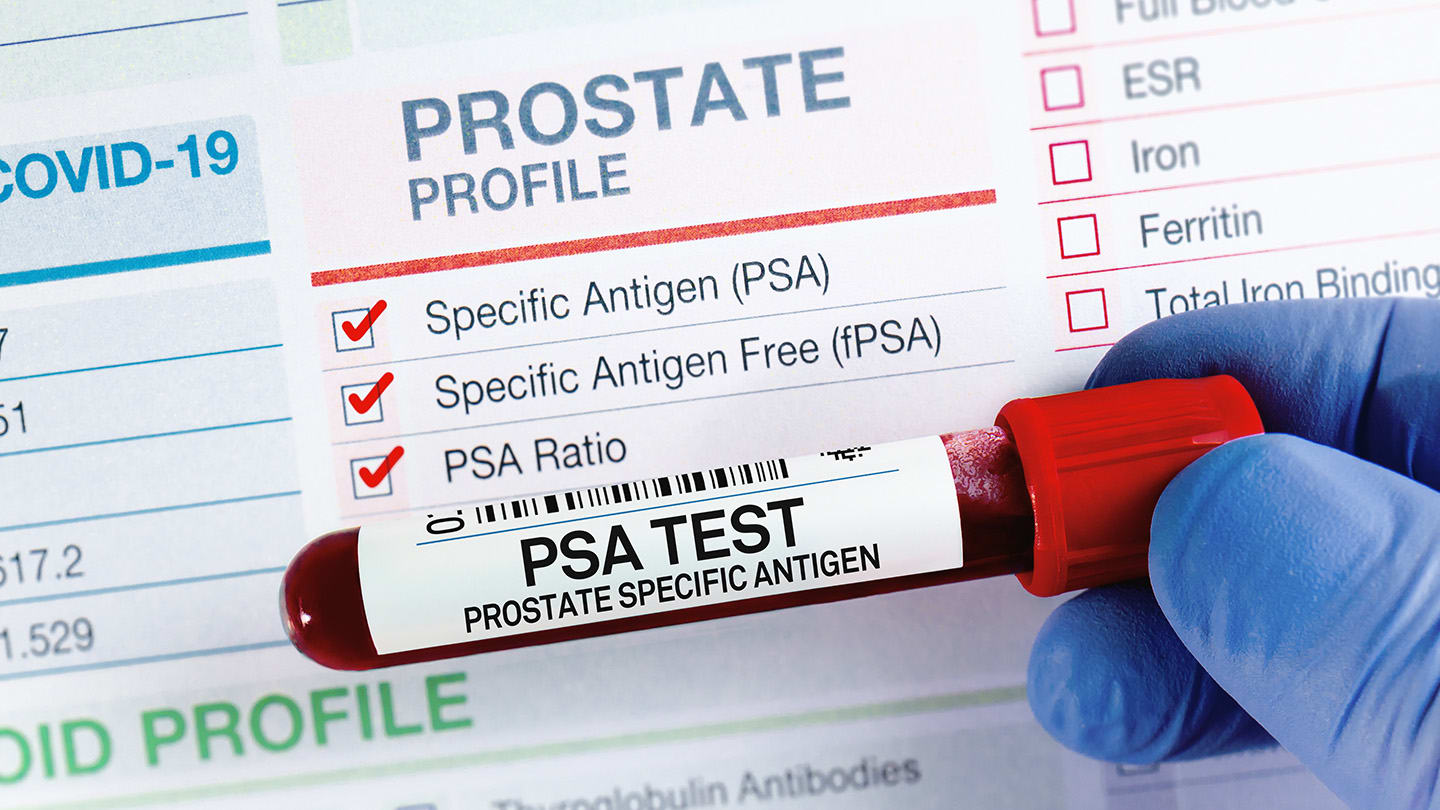
Researchers reported that PSA values, combined with metastatic volume or nodal status, improved estimation of 8-year survival, with prospective evaluation needed before any use in treatment personalization.
The Lancet Group reaches millions of clinicians and researchers worldwide.
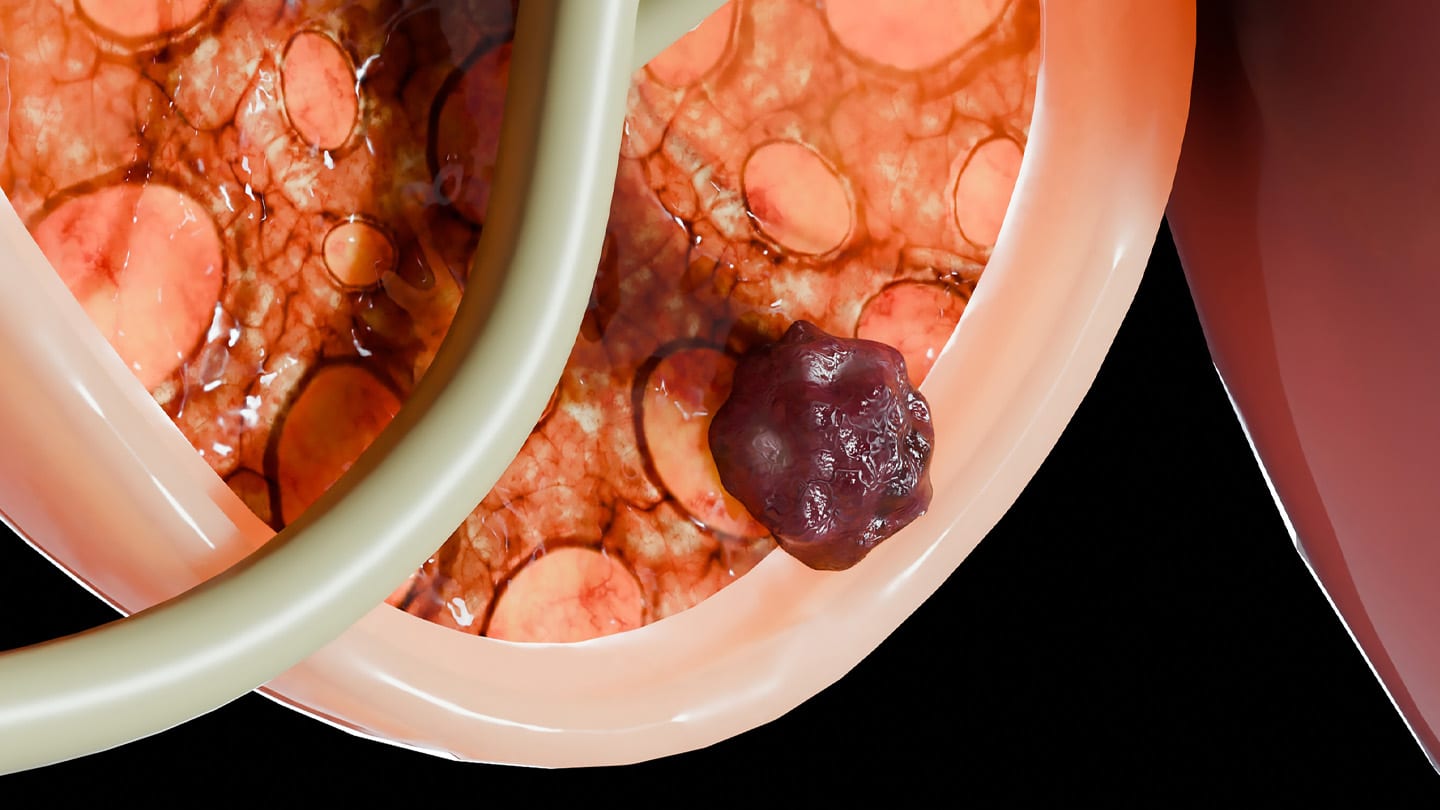
In an exploratory subgroup analysis, investigators reported the greatest pain and HRQoL benefits among patients with deep PSA responses in this phase 3 trial.
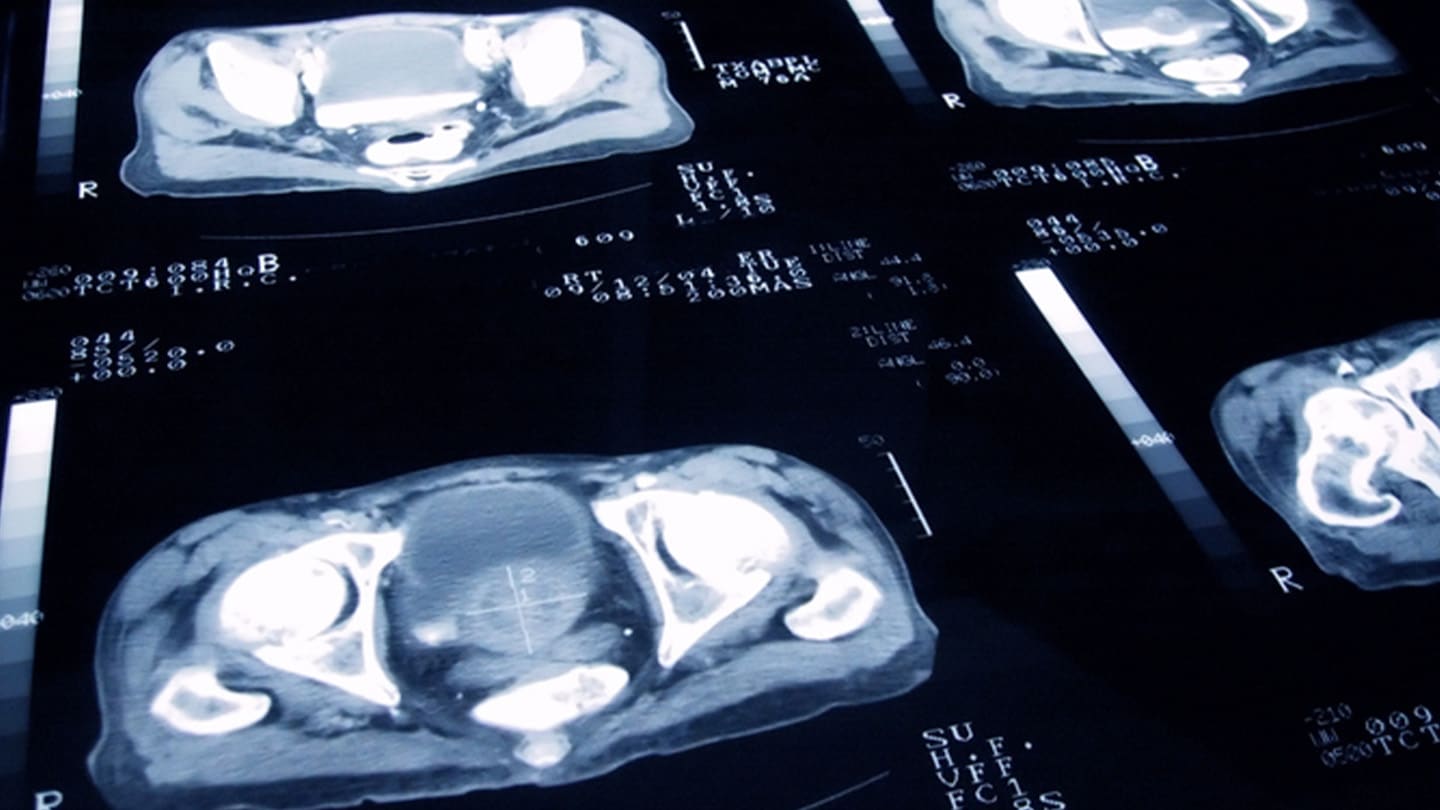
Long-term outcomes and delayed toxic effects remain under investigation, but investigators report the trial suggests ¹⁷⁷Lu-PSMA-617 could delay disease progression in high-risk oligometastatic hormone-sensitive prostate cancer.
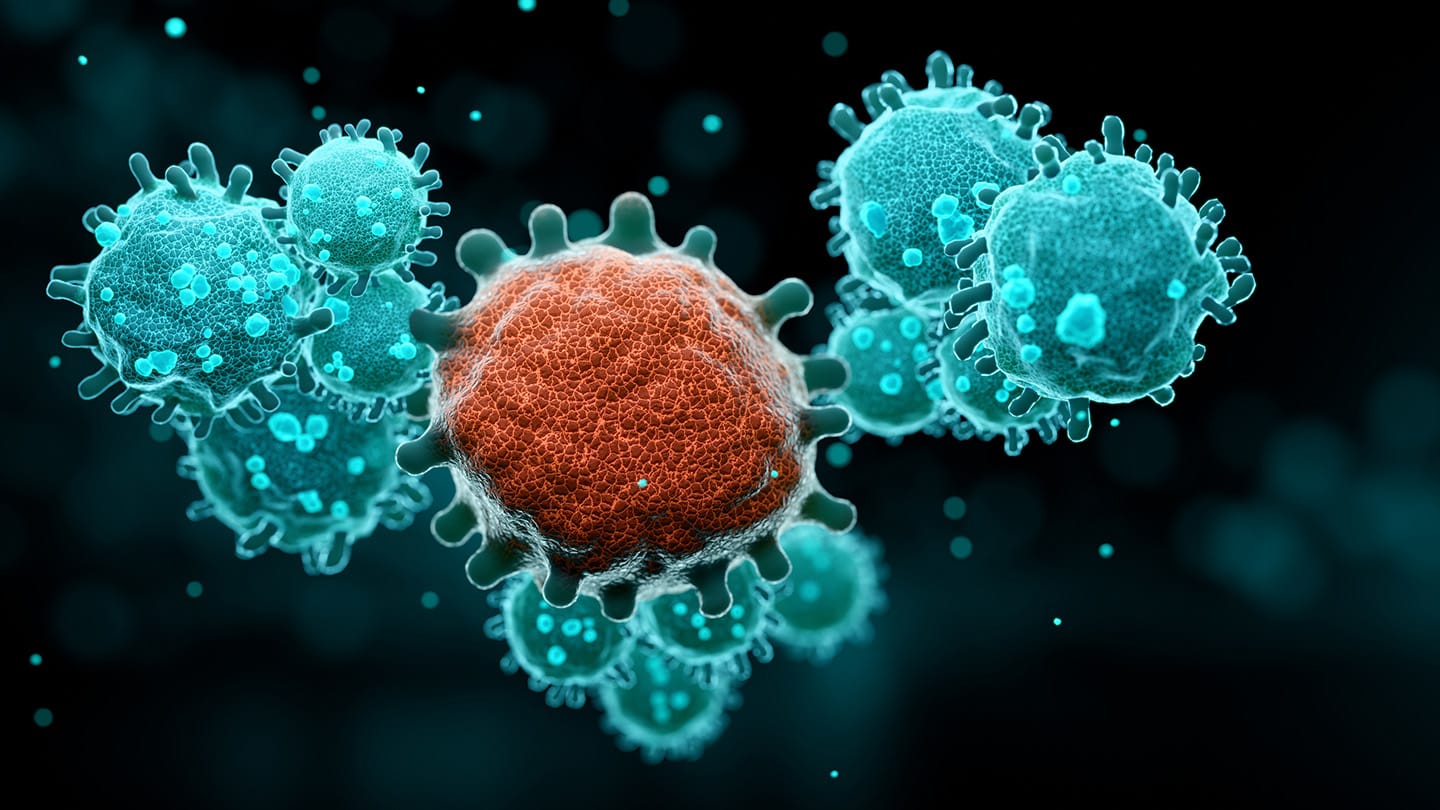
Researchers reported the first study of multiple-cycle combination therapy, with PSA responses and disease control observed in a subset of men with metastatic castration-resistant prostate cancer and a manageable adverse event profile.

An international, retrospective, registry-based study reports externally validated PPP3 nomograms for 3-, 5-, and 7-year overall survival, with superior prediction accuracy versus NCCN risk scores and, in specific subgroups, versus EAU and GAFITA scores.

Developed in a multicentric cohort of 586 patients and externally validated in 131 independent patients, the model stratifies men with metachronous oligometastatic prostate cancer treated with MDT into risk groups for 1- and 2-year ADT-free survival.

Ten-year follow-up from the Scandinavian HYPO-RT-PC randomised trial reported non-inferior failure-free survival versus conventional fractionation, with similar long-term toxicity; no patients received androgen deprivation therapy.

An individual patient meta-analysis found that although overall survival did not meet significance criteria, MDT plus SOC was associated with benefits across several progression-related endpoints versus SOC.
In this randomised, placebo-controlled study, adding a CDK4/6 inhibitor did not improve outcomes in mCRPC; the authors say further research is needed on possible subgroup benefit.

In a prespecified secondary-endpoint analysis, talazoparib plus enzalutamide was associated with improved overall survival versus enzalutamide plus placebo in patients with metastatic castration-resistant prostate cancer and prospectively assessed tumour HRR gene alterations; subgroup findings are exploratory.