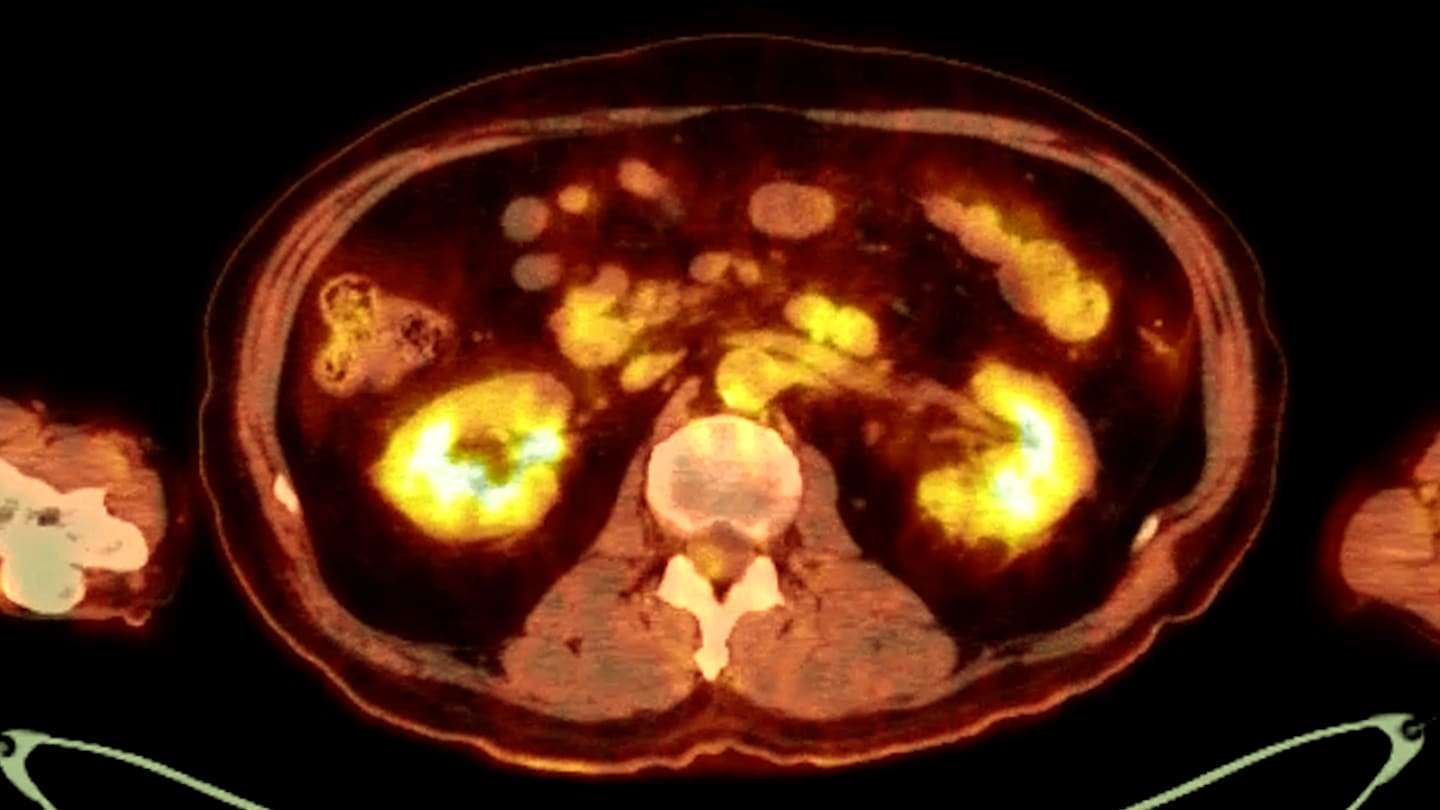
Belzutifan PRO analyses in previously treated renal cell carcinoma
Thomas Powles, MD; Toni K Choueiri, MD; Laurence Albiges, MD; Katriina Peltola, MD PhD; Guillermo de Velasco, MD PhD; Mauricio Burotto, MD; et al.
March 17, 2025
- The Lancet Oncology
- The Lancet Oncology, Volume 26, Issue 4, Pages 491–502
- 10.1016/S1470-2045(25)00032-4
Evidence before this study
We searched PubMed for “renal cell carcinoma,” “RCC,” and “patient reported outcomes” on Feb 16, 2024, and found 12 relevant clinical trials published from 2008 to 2023. Six studies reported first-line treatment with immunotherapy alone or in combination with other agents (ie, nivolumab, nivolumab–ipilimumab, pembrolizumab–axitinib, lenvatinib–pembrolizumab, and atezolizumab–bevacizumab) versus sunitinib. Three studies reported patient-reported outcomes (PROs) from the tyrosine kinase inhibitors axitinib, lenvatinib, and sorafenib. Three studies reported PROs with everolimus as the comparator drug. In the phase 3 CheckMate 024 trial, nivolumab was associated with improvement in health-related quality of life compared with everolimus in previously treated participants with advanced renal cell carcinoma. In the phase 3 METEOR trial, cabozantinib maintained a quality of life similar to that shown with everolimus, but time to deterioration was improved with cabozantinib compared with everolimus. In the phase 3 RECORD-1 trial comparing everolimus and placebo in participants with metastatic renal cell carcinoma whose disease progressed on a vascular endothelial growth factor receptor tyrosine kinase inhibitor, no evidence of a difference between everolimus and placebo in longitudinal patterns of disease‑related symptoms was observed.
Added value of this study
The current study provides a summary of PRO measure analyses for the LITESPARK-005 phase 3 clinical trial, wherein participants were treated with belzutifan or everolimus. Efficacy results from LITESPARK-005 indicated that participants with previously treated renal cell carcinoma who received belzutifan showed more clinical benefit than those treated with everolimus. In the current study, PROs assessed via the Functional Assessment of Cancer Therapy-Kidney Cancer Symptom Index: Disease Related Symptoms and the European Organisation for Research and Treatment of Cancer Quality of Life Questionnaire Core 30 as secondary outcomes further support the use of belzutifan rather than everolimus in this setting. Findings suggest that patients who received belzutifan had maintenance or improvement in PRO scores compared with those who received everolimus. Taken together, these results describe a positive risk–benefit profile for belzutifan.
Implications of all the available evidence
These results suggest that treatment with belzutifan for patients with advanced renal cell carcinoma could be associated with maintenance or improvement of health-related quality of life. The results are exploratory, and further research is required to support these PRO findings.
Source: The Lancet Oncology